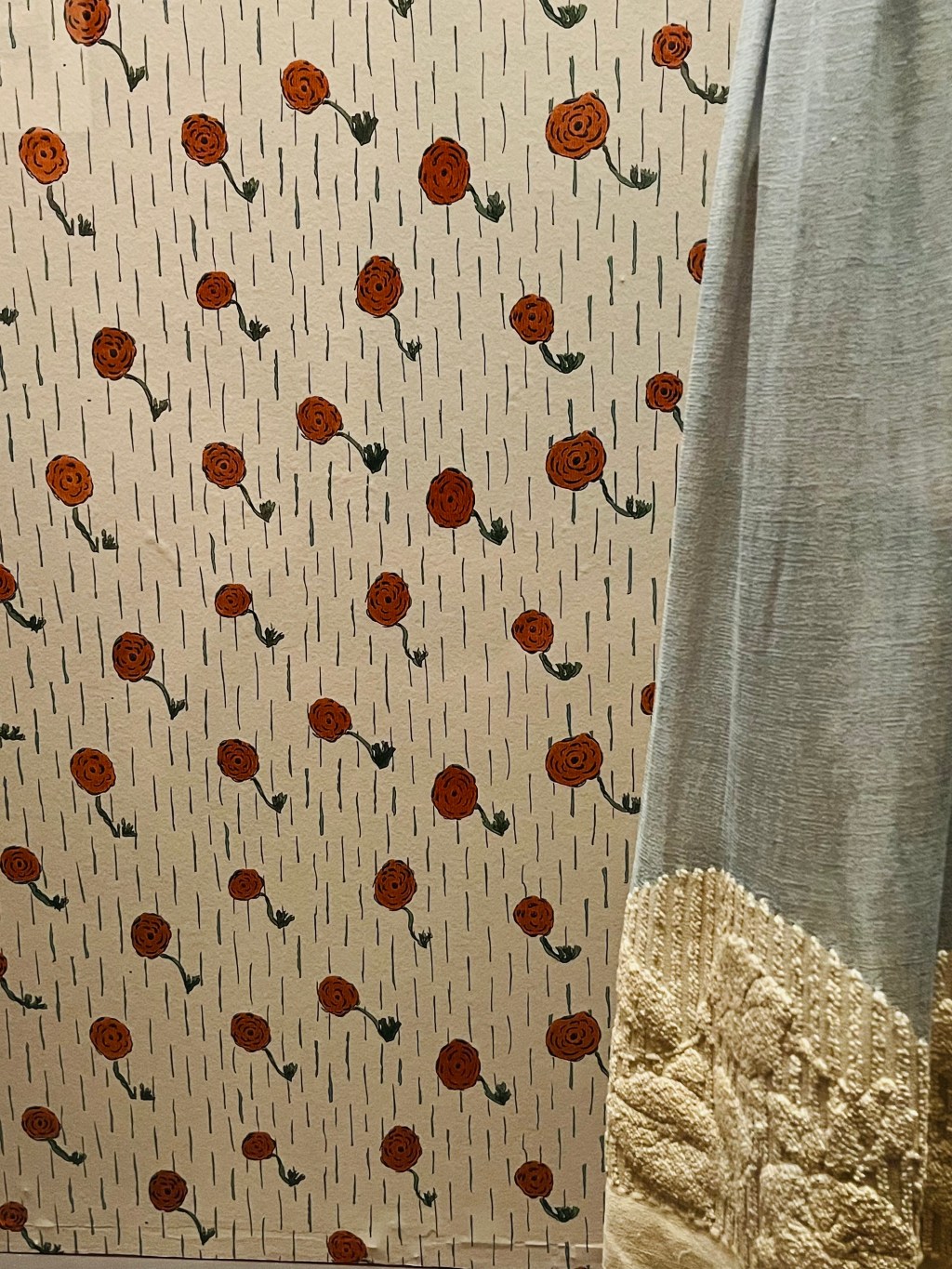
Like most people, I hadn’t heard of visionary designer Paul Poiret. Often hailed as the “King of Fashion,” Poiret not only transformed the way women dressed but also redefined the industry through his unparalleled creativity and innovative marketing strategies. Yet he disappeared into oblivion, and we don’t talk about him at all. Fortunately France knows how to recognise their stars, and put them on a pedestal even when the world has forgotten about them…and so I discovered Poiret and his works at the ongoing “Le Paris de la Modernité” exhibition at the Petit Palais.
Hailing from a working class background, Poiret’s first job was at the workshop of an umbrella maker, where he gathered scraps of silk to design dresses for his sister’s dolls. He went on to work with well-known designers and even the House of Worth, a French fashion house that specialised in haute couture. A misfit in the organisation, since he was assigned to work on their line of practical dresses or “fried potatoes” to the main dish of “truffles”, Poiret eventually opened his own Maison, where he embraced a new silhouette, liberating women from the confines of the corset. He introduced the world to the unconventional hobble skirt, a narrow and ankle-hugging garment that challenged the norms of the time. His designs exuded an air of exoticism, drawing inspiration from the Orient, and incorporating bold colors and luxurious fabrics.
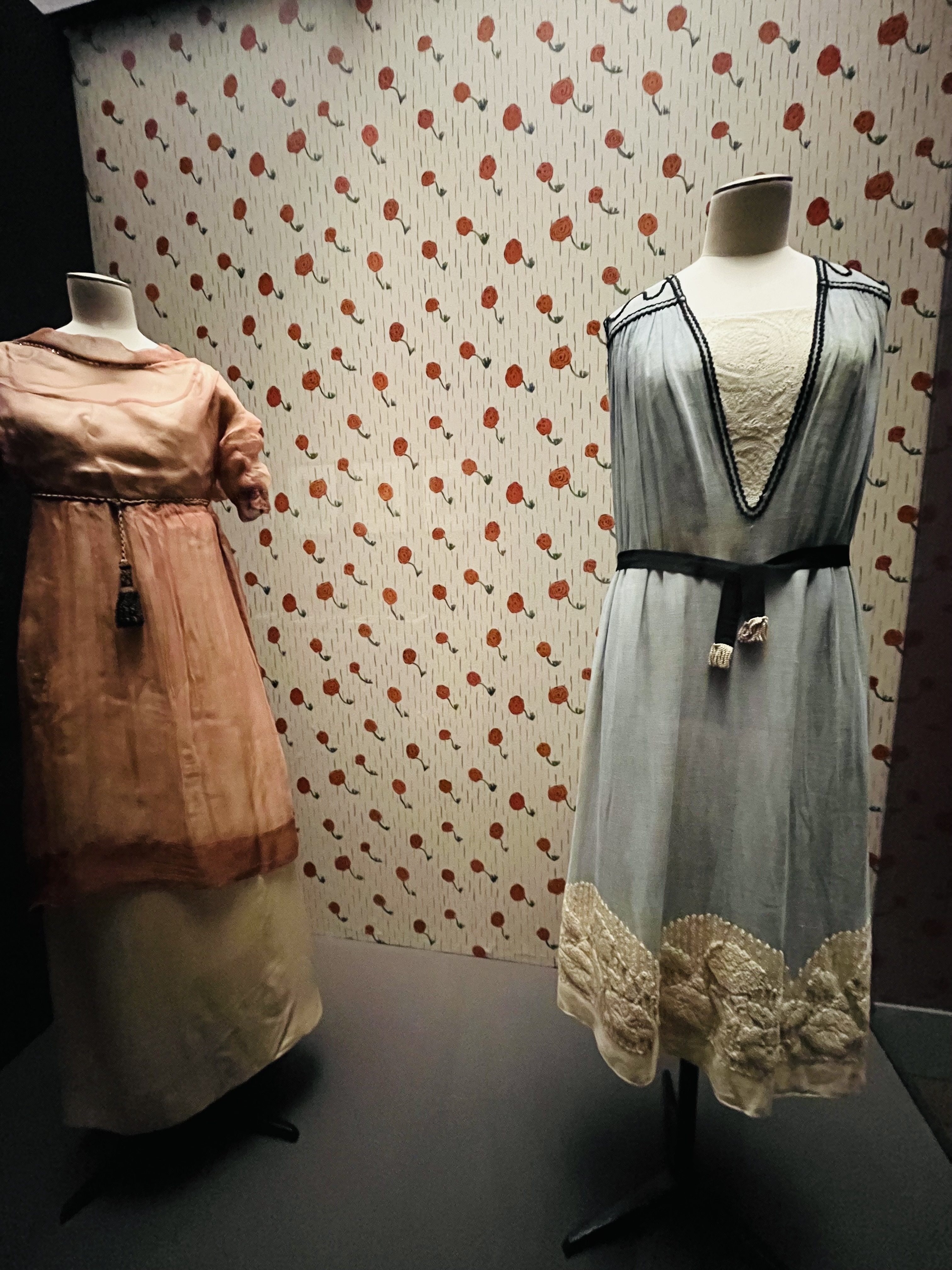
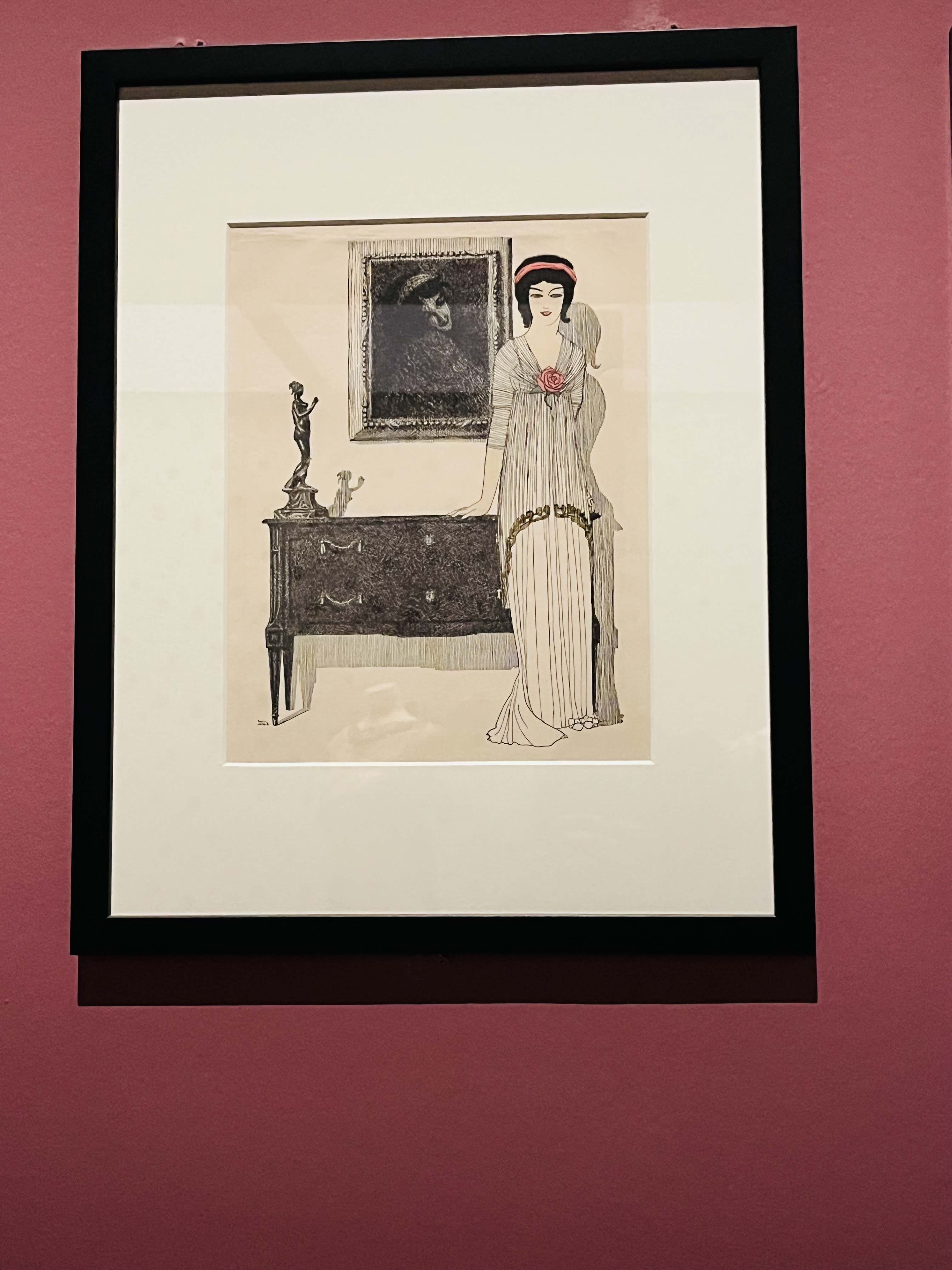
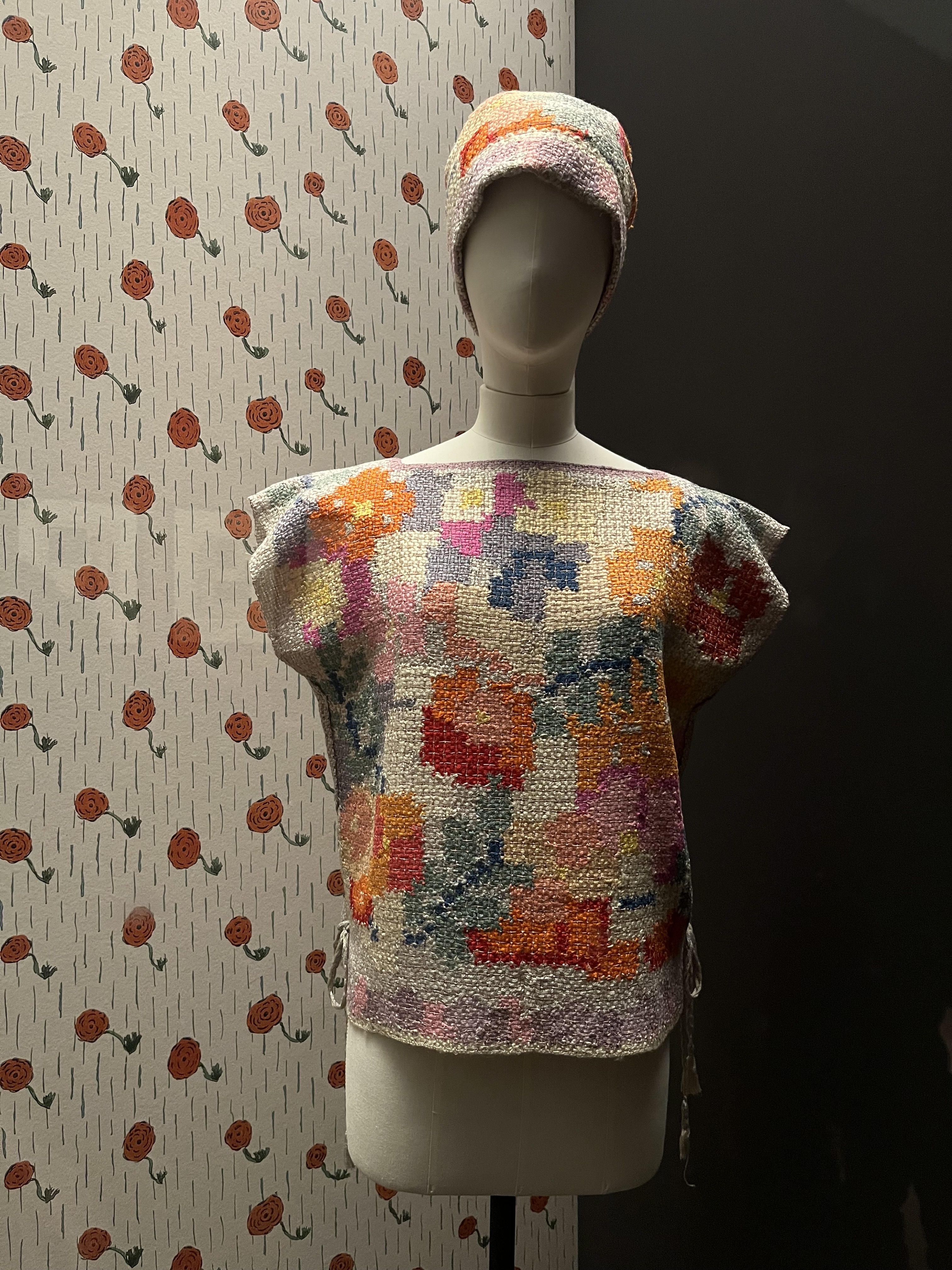
But Poiret’s creativity didn’t stop there. Understanding the power of storytelling in fashion, he organised flamboyant fashion shows and extravagant parties, which became legendary as strategic marketing tool. Recognising the importance of brand identity, he also pioneered the concept of fashion licensing. Poiret’s name adorned a wide range of products, from fragrances to home decor items. One of his most notable ventures was the introduction of the “Parfums de Rosine,” a line of perfumes named after his daughter. This move not only solidified his brand, but also established a precedent for designers venturing into diverse product categories.
While I admired the lines of his dresses, and loved how he used marketing gimmicks to build his brand, what really drew my attention to his work were the wallpapers he employed as a means of self-promotion. He collaborated with Raoul Dufy, a renowned artist, to create wallpapers featuring his designs. These wallpapers served as an immersive experience for customers, allowing them to bring the essence of Poiret’s fashion into their homes. This innovative marketing tactic not only enhanced the visibility of his brand but also showcased the interconnectedness of art, fashion, and lifestyle.

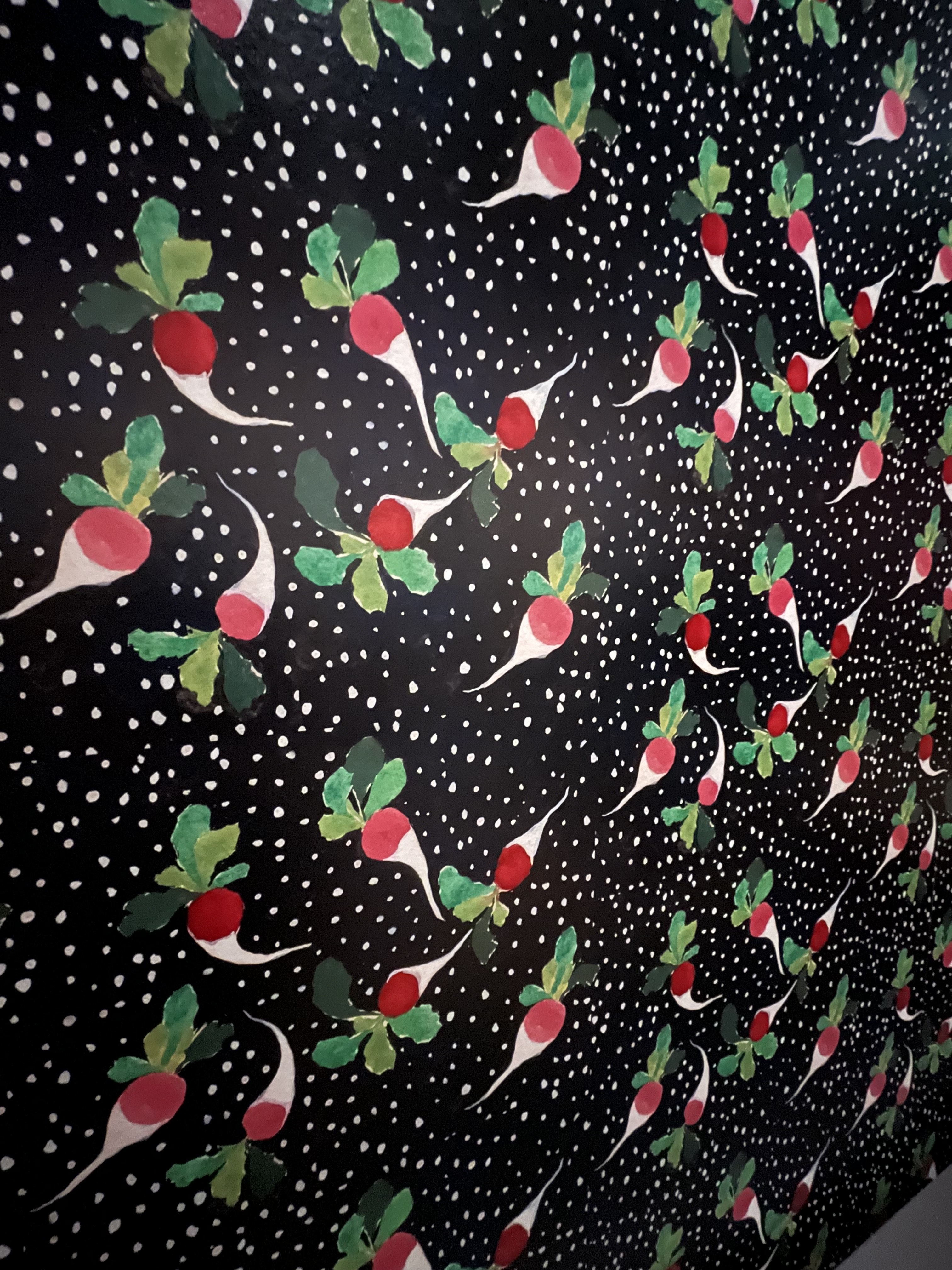
Unfortunately, the World War opened the doors to bankruptcy, accelerated by the arrival of Coco Chanel whose sleek and simple clothes suited the needs and fashion mood of the post-war women. His reluctance to embrace the evolving fashion landscape, coupled with extravagant spending and a refusal to conform to market demands, eventually led to financial ruin.
Studying Poiret’s designs and creative genius is great for aesthetic inspiration, but his entrepreneurial journey can also offer valuable insights:
1. 🌟 Innovation in Design: At the heart of Poiret’s entrepreneurial success was his ability to innovate in design. Breaking away from the constraints of traditional fashion, he introduced revolutionary silhouettes and designs that captured the spirit of the early 20th century. His creations, showcased an entrepreneurial mindset that dared to challenge conventions and set new trends. Studying Poiret provides a lesson in the transformative power of innovation in product development.
2. 🏷️ Strategic Branding and Identity: Poiret understood the importance of branding long before it became a mainstream concept. His name wasn’t just associated with clothing; it became a brand synonymous with luxury and avant-garde fashion. By strategically branching into diverse product lines, from perfumes to wallpapers, Poiret established a cohesive brand identity. Entrepreneurs today can draw inspiration from his strategic branding efforts, learning how to create a powerful and recognizable brand image.
3. 🎉 Masterful Event Marketing: Poiret was a pioneer in using events as a marketing tool. His extravagant soirées weren’t just glamorous parties; they were strategic showcases of his designs. There is a lot to be learnt from Poiret’s mastery of event marketing, understanding how such experiences can elevate a brand and connect with the audience on a deeper level.
4. 💼 Pioneering Adoption of Licensing: Long before the era of celebrity fragrances and designer collaborations, Poiret was a trailblazer in the realm of licensing. Entrepreneurs and students of business can study Poiret’s licensing strategies, recognizing the potential for expanding product offerings and creating synergies across different industries.
5. 🤝 Interdisciplinary Collaborations: Poiret’s collaborations with artists, such as Raoul Dufy for wallpaper designs, and Edward Steichen for the photography shoot in the April 1911 issue of the magazine Art et Décoration, exemplify his interdisciplinary approach to entrepreneurship. These partnerships not only infused his designs with artistic flair but also expanded his reach into new markets. Entrepreneurs can learn from Poiret’s openness to collaboration, understanding how interdisciplinary partnerships can enhance creativity and contribute to business success.
6. 💸 Financial astuteness: Entrepreneurs can learn from Poiret’s downfall the importance of adaptability, staying attuned to market trends, and managing finances judiciously. In a rapidly changing business environment, being open to innovation and flexible in responding to customer preferences are crucial for sustained success. Additionally, maintaining fiscal responsibility and making strategic decisions aligned with market dynamics can safeguard entrepreneurs from the pitfalls that befell Poiret and contribute to long-term prosperity.
Paul Poiret’s legacy transcends fashion, offering a roadmap for entrepreneurs to embrace creativity, brand building, marketing, innovative strategies, and collaborative ventures in their pursuit of success.
 PlainGeets
Leave a comment