
Every year, Paris offers its residents and visitors a magical experience called Nuit Blanche, an all-night celebration of contemporary art and culture, where museums and galleries stay open late into the night, and installations are set up across the transforming it into a phantasmagoric playground of creativity. Originating in 2002, Nuit Blanche has since spread to other cities in France and beyond, becoming an annual ritual for art lovers and curious wanderers alike. But what makes Nuit Blanche so brilliant isn’t just the art — it’s the access. The chance to walk into spaces like this, for free, surrounded by people of all ages, engaging with history, ideas, and beauty, is a reminder of how crucial public cultural events are.
In 2023, I was lucky to experience a full Nuit Blanche, starting with the breathtaking Alfred Mucha immersive exhibition at Grand Palais Immersif, followed by installations across the city, wandering from Châtelet, to Pont Neuf under glowing lights and cool spring air. It was unforgettable.
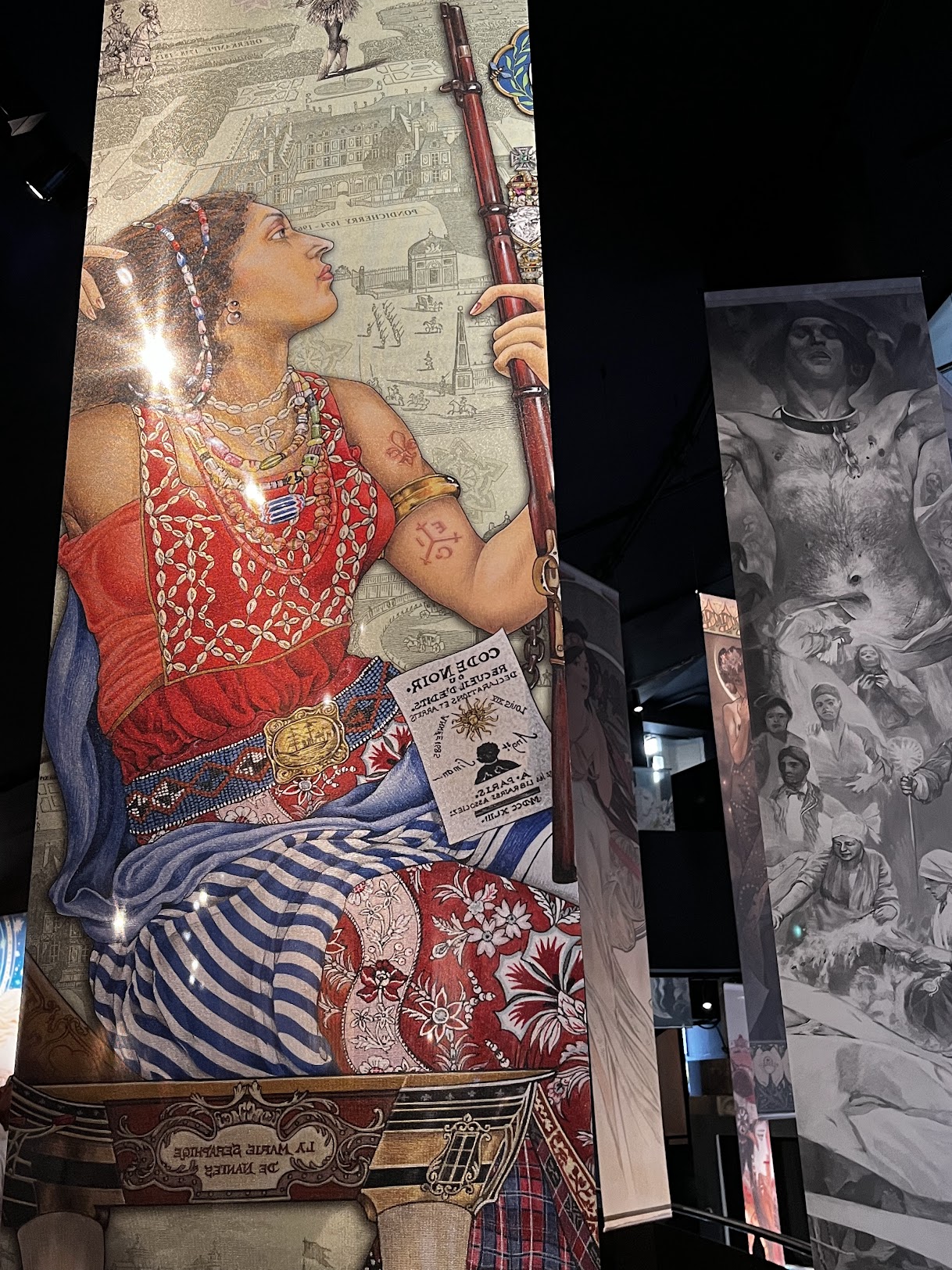


Last year, the rain dampened not just the streets but also our enthusiasm, and we ended up skipping it altogether. This year, we almost skipped it again — but I’m so glad we didn’t, because we ended up discovering the Musée de La Poste.
Tucked away near Montparnasse, the Musée de La Poste is one of those Paris museums that often flies under the radar, unless you’re a philatelist or have a deep love for the history of communication. But stepping inside, you quickly realise how intertwined the history of postal services is with French society – from letters to logistics, from stamps to stories.
For Nuit Blanche, the museum had opened its doors for free, offering visitors access to both its permanent collection and its temporary exhibitions. And that’s how I stumbled upon the absolute gem of the night: La Fabrique du Temps. La Poste, by its very nature, has always been tied to the concept of time. In fact, it played a central role in standardising it in France. As early as 1839, postal operations were being impacted by the desynchronisation of clocks from one town to another. To solve this, the postal administration worked with the Ministry of the Interior to impose synchronised communal clocks based on data from the Bureau des Longitudes — laying the foundation of a shared national time. The arrival of the railway system mid-19th century only reinforced this need, and soon, the telegraph enabled synchronization with the Paris Observatory’s time — leading to the concept of unified national time.
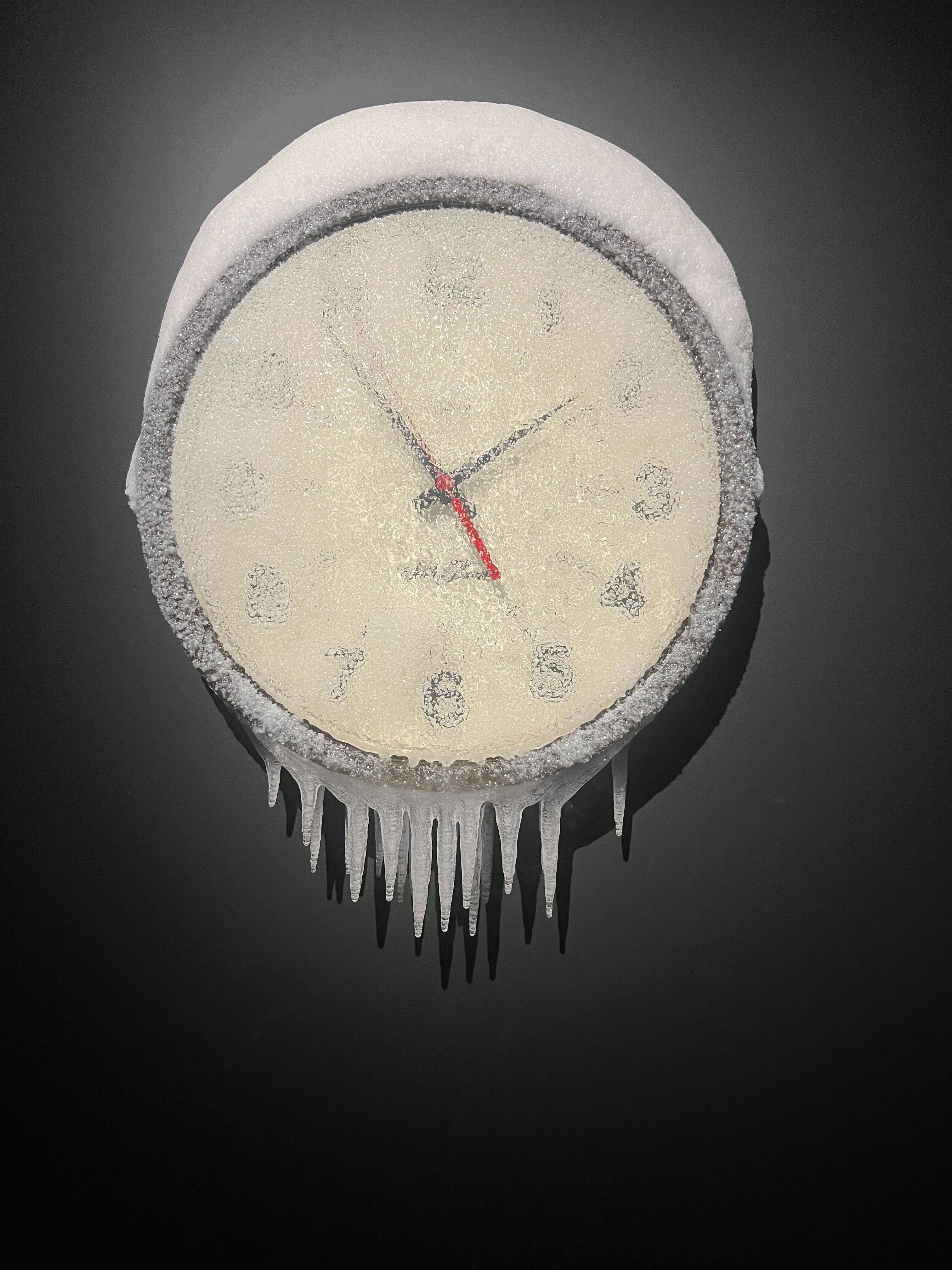
This exhibition beautifully showcases that journey, with remarkable pieces ranging from watches and clocks, to postal artefacts — stamps, cachets, dated letters, even rare almanacs from the 1700s to today.

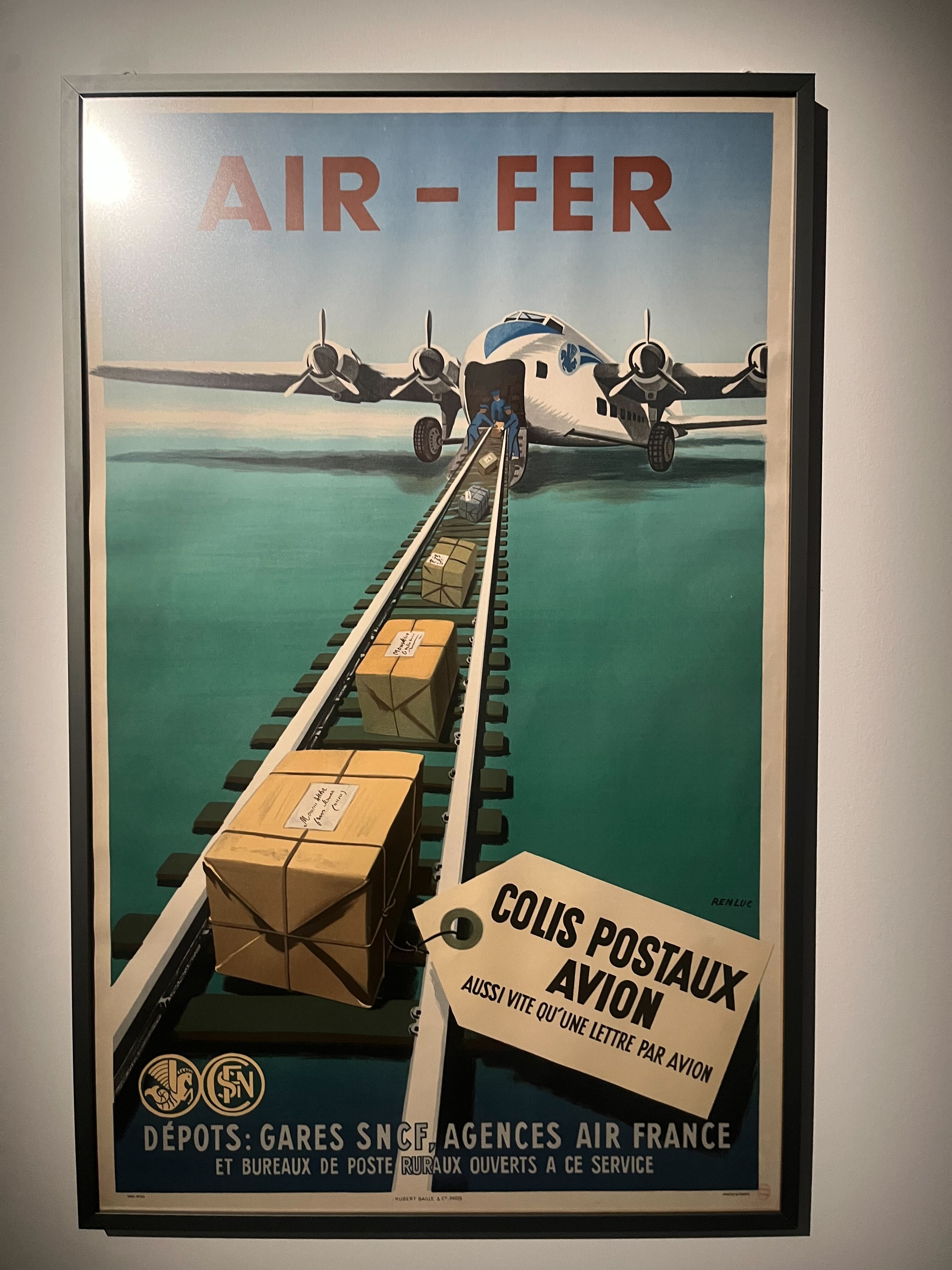
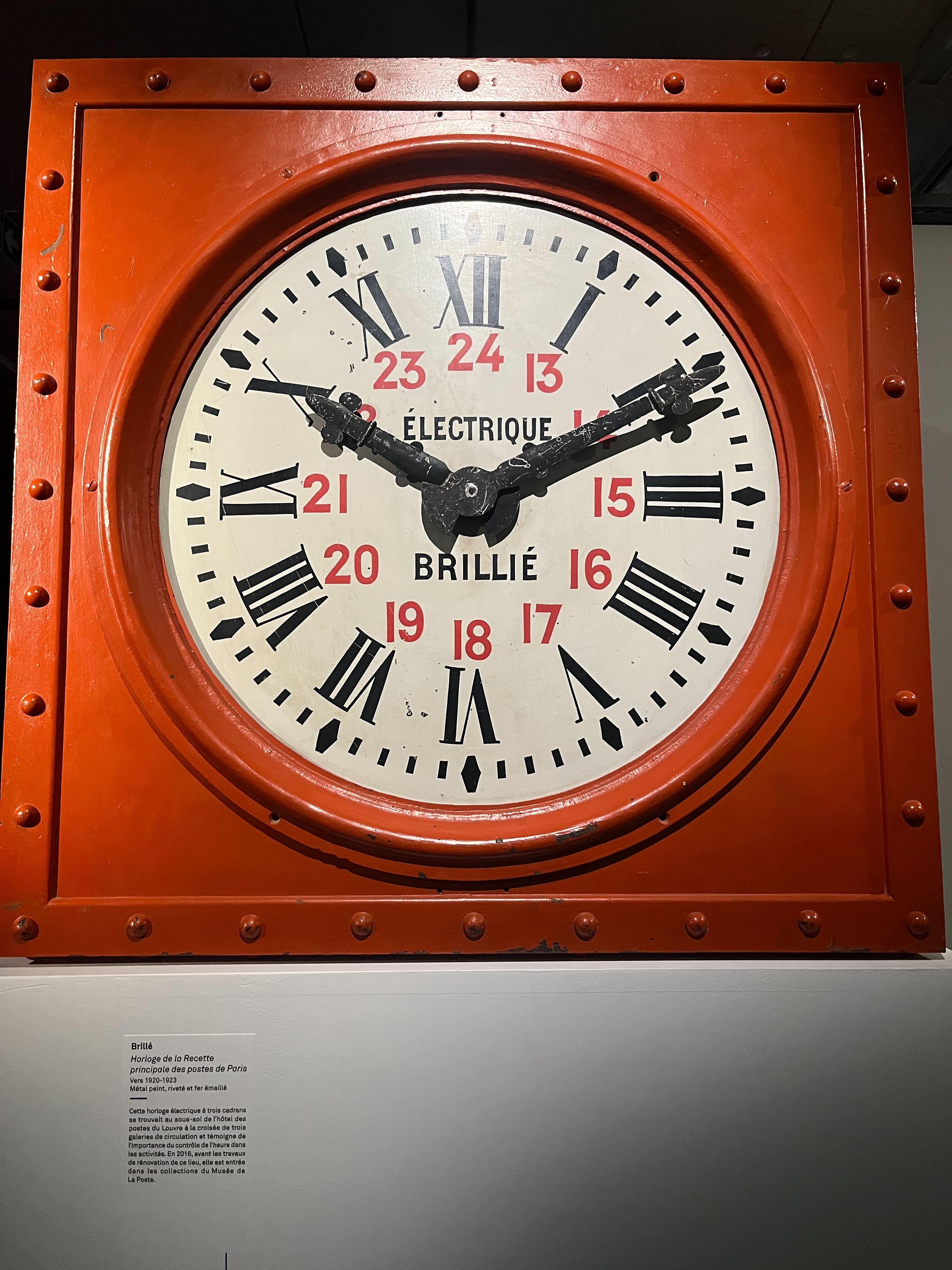
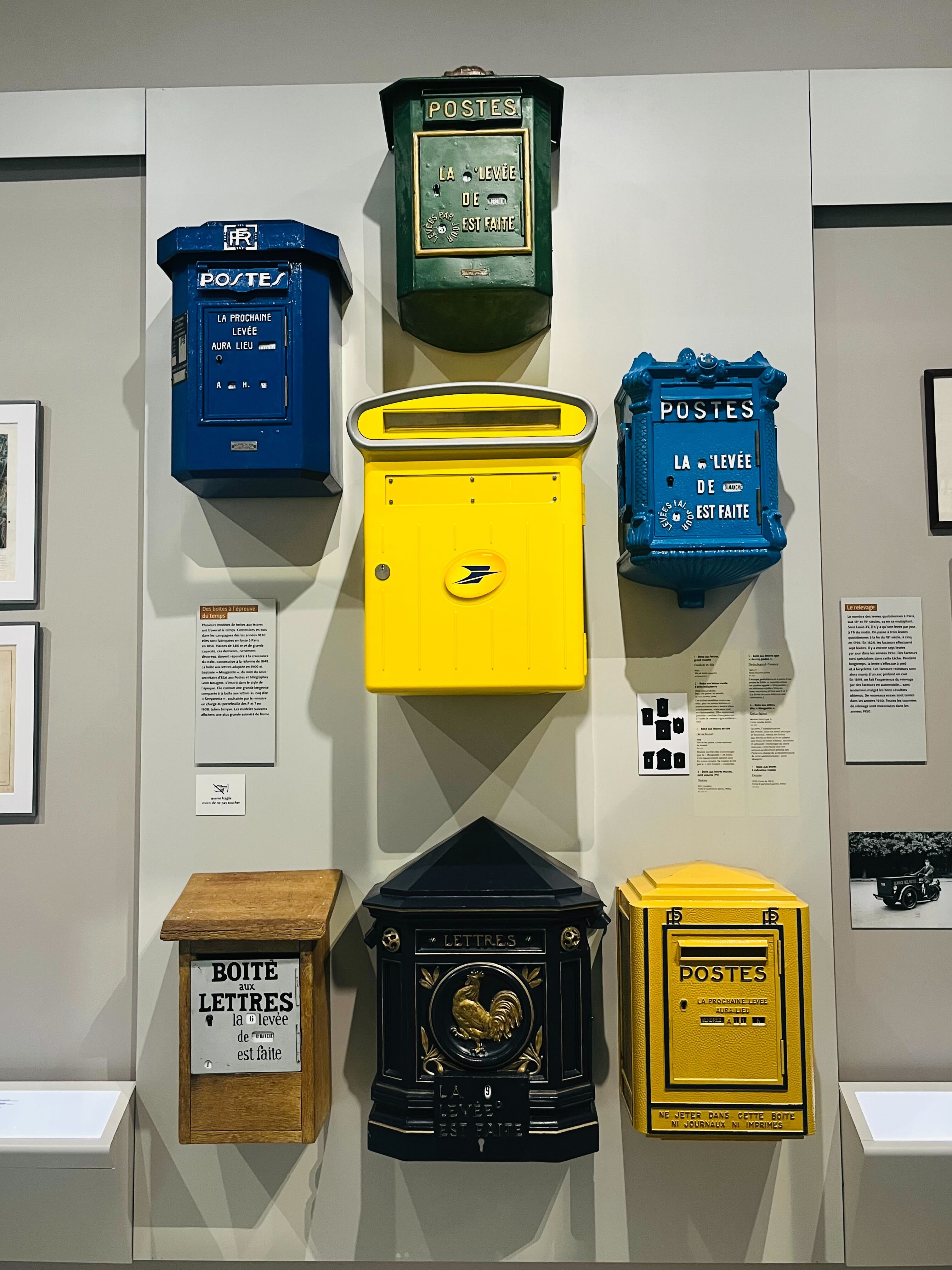
What truly made the exhibition come alive was how these historic objects were juxtaposed with contemporary artworks, including videos and installations, that explored our evolving relationship with time. The result was poetic, sometimes philosophical, occasionally humorous — but always thought-provoking.


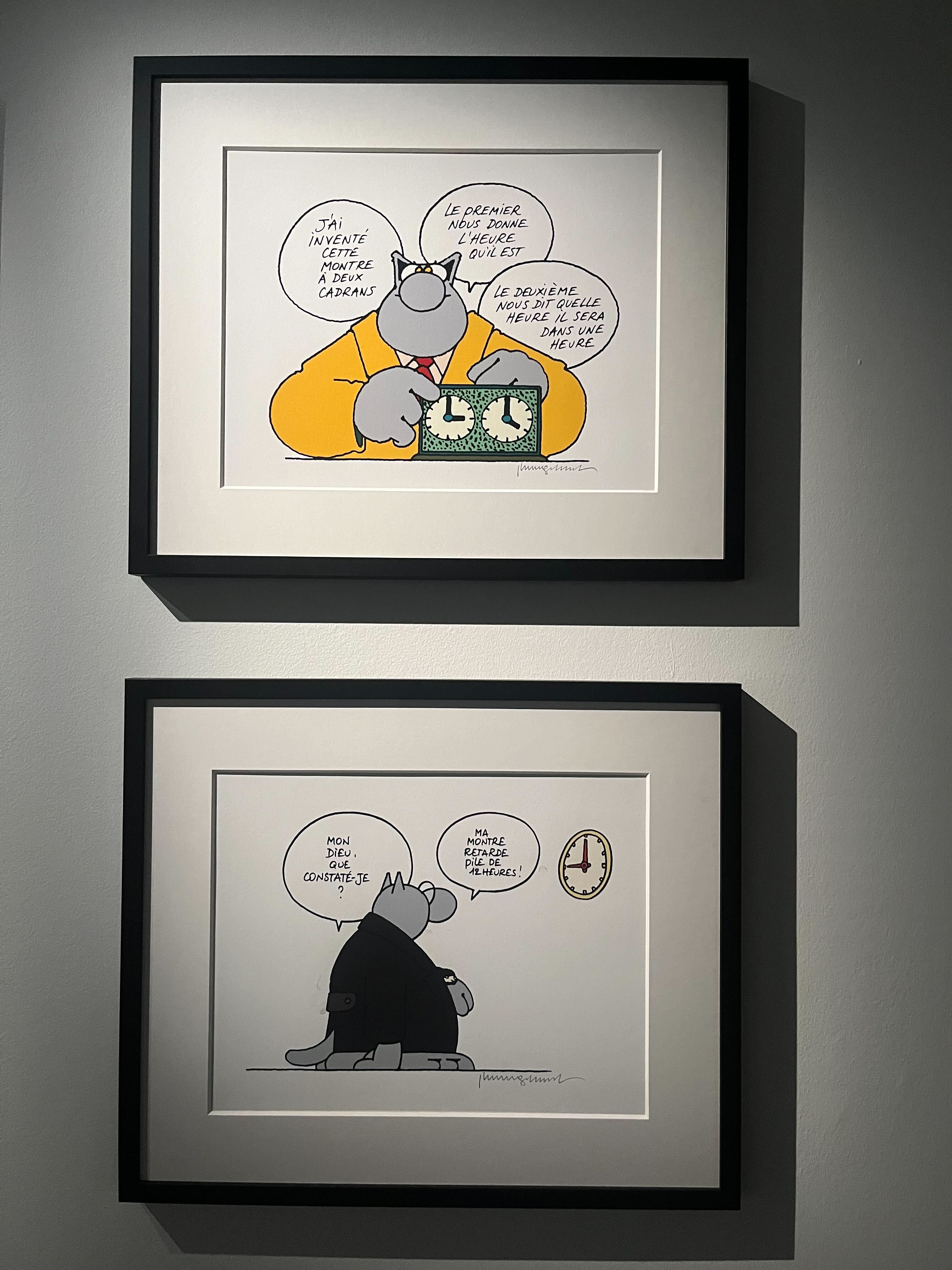
As a long-time fan of Philippe Geluck’s Chat, I was particularly delighted to see some of his witty pieces that I have even used in class, blending humour with sharp commentary on our perception of time.

The rest of the museum was equally rewarding. If it was fun walking through the rooms full of vintage posters, postal uniforms, and memorabilia, the section dedicated to the evolving role of women in La Poste was both eye-opening and inspiring.

The icing on the cake was the section dedicated to stamp books and French stamps through the ages – a wonderful reminder of how the creativity and scientific spirit of humans can lead to something of such beauty and meaning.
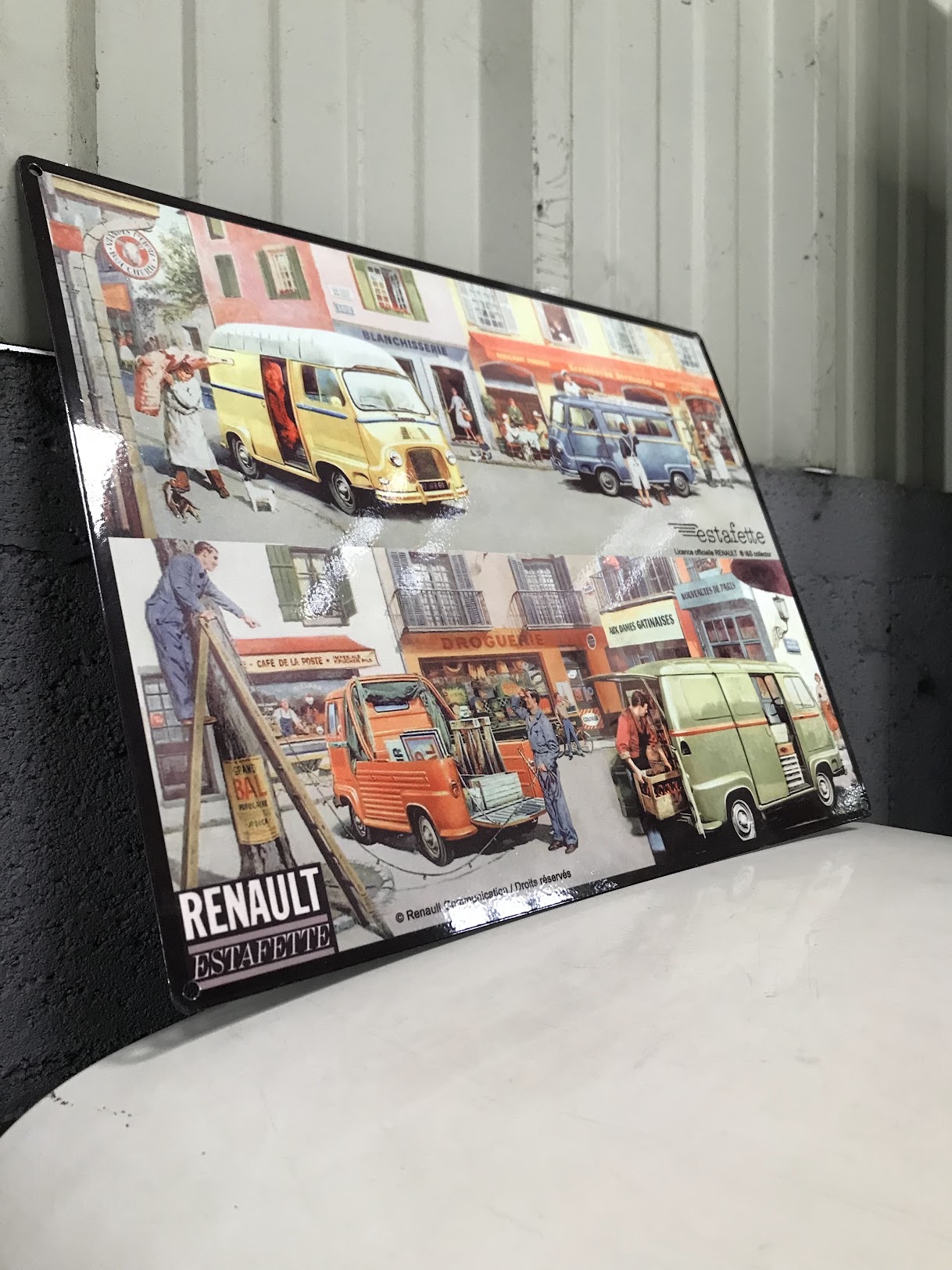
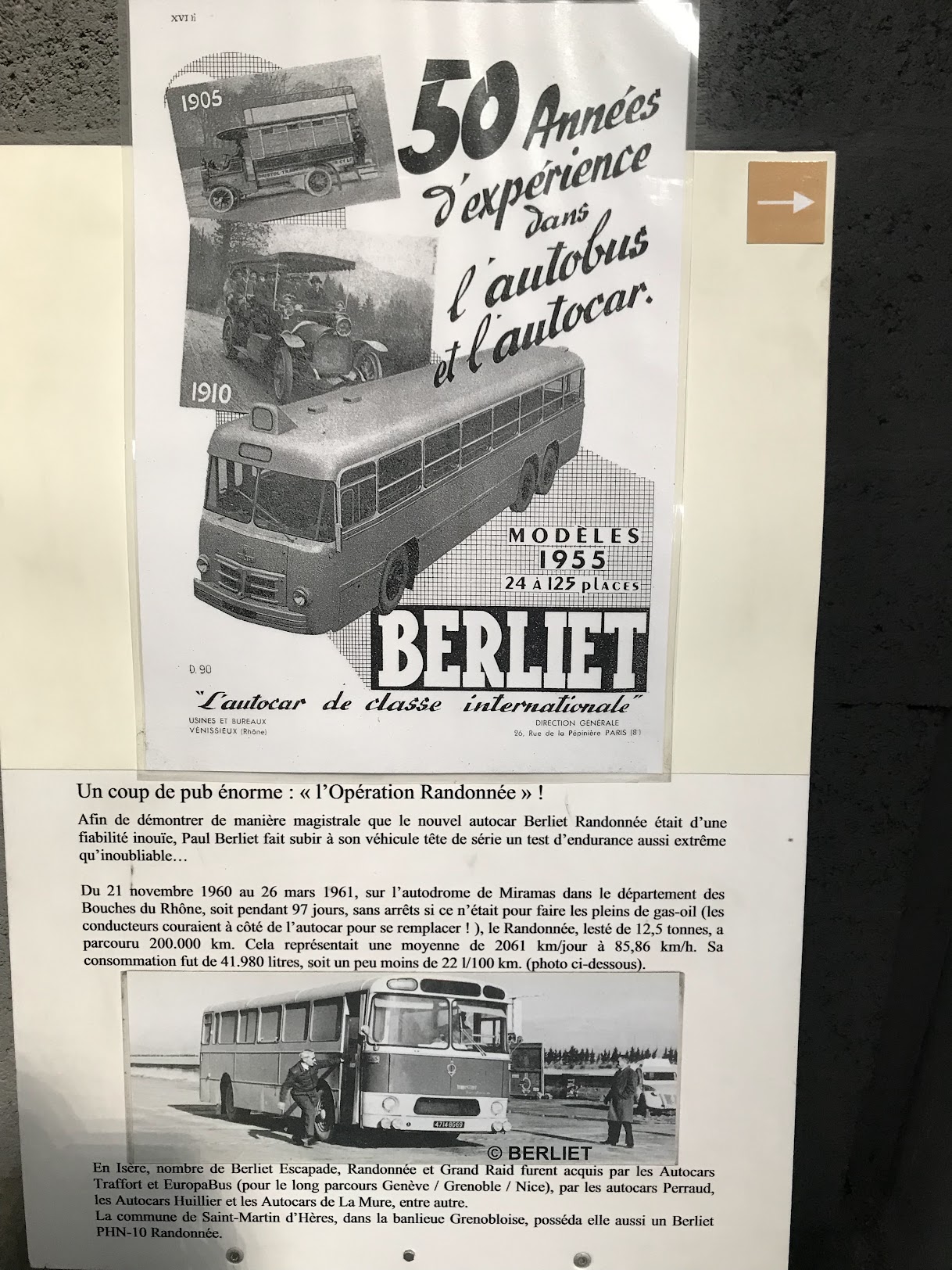
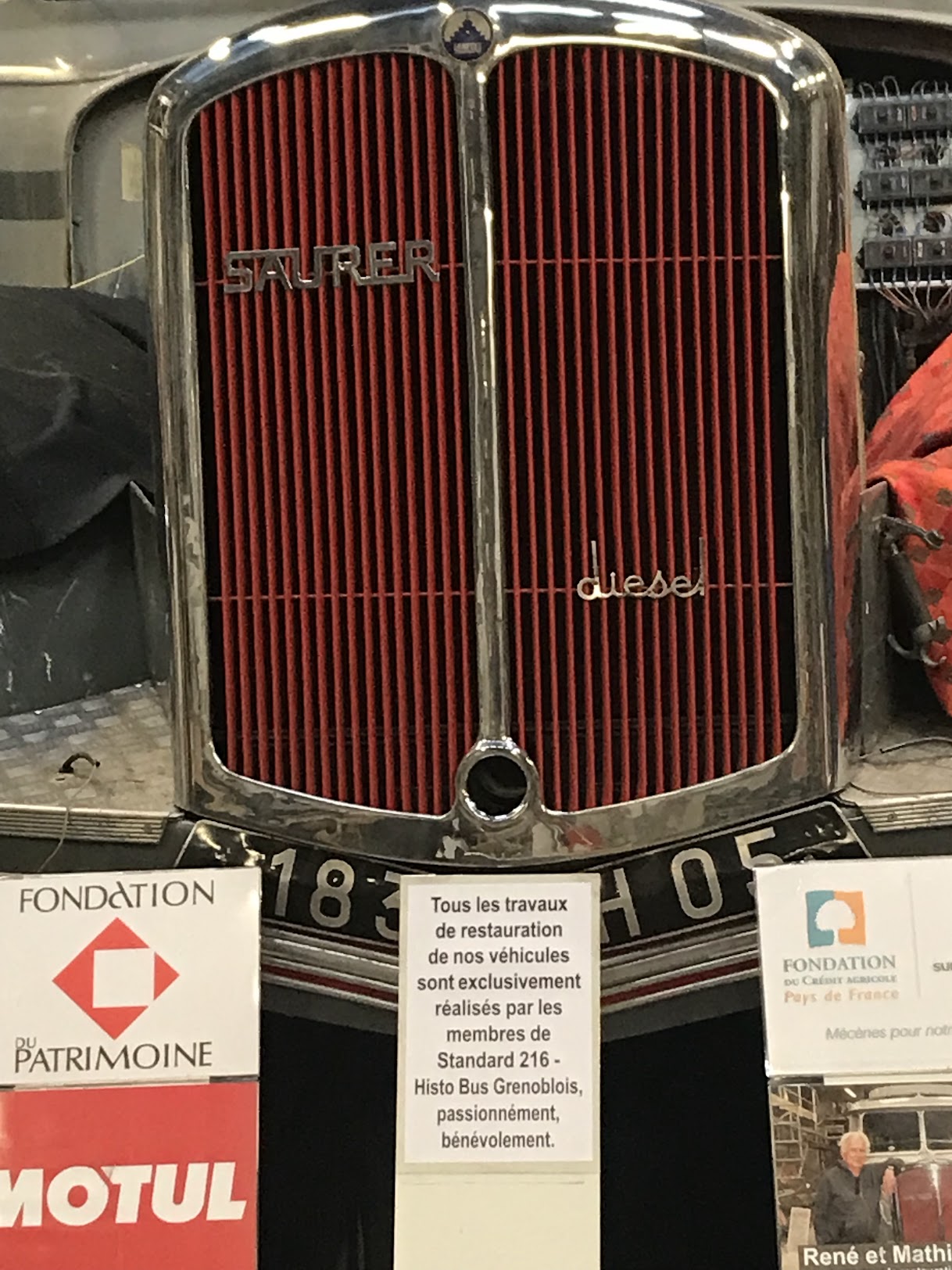
This visit to the Musée de la Poste reminded me of another serendipitous discovery: the Histo Bus in Grenoble, which we visited in 2022 during Nuit des Musées. Maintained by an association of enthusiasts, the space showcases the history public transport in France from 1865 to 2020 through a collection of char-à-bancs, coaches, buses, articulated buses, midi-buses, trolleybuses, diesel and electric engines and numerous accessories and posters. I’m not a fan of automobiles, yet I found myself enchanted by the many buses on display, and many anecdotal stories about the evolution of public transport in Grenoble.
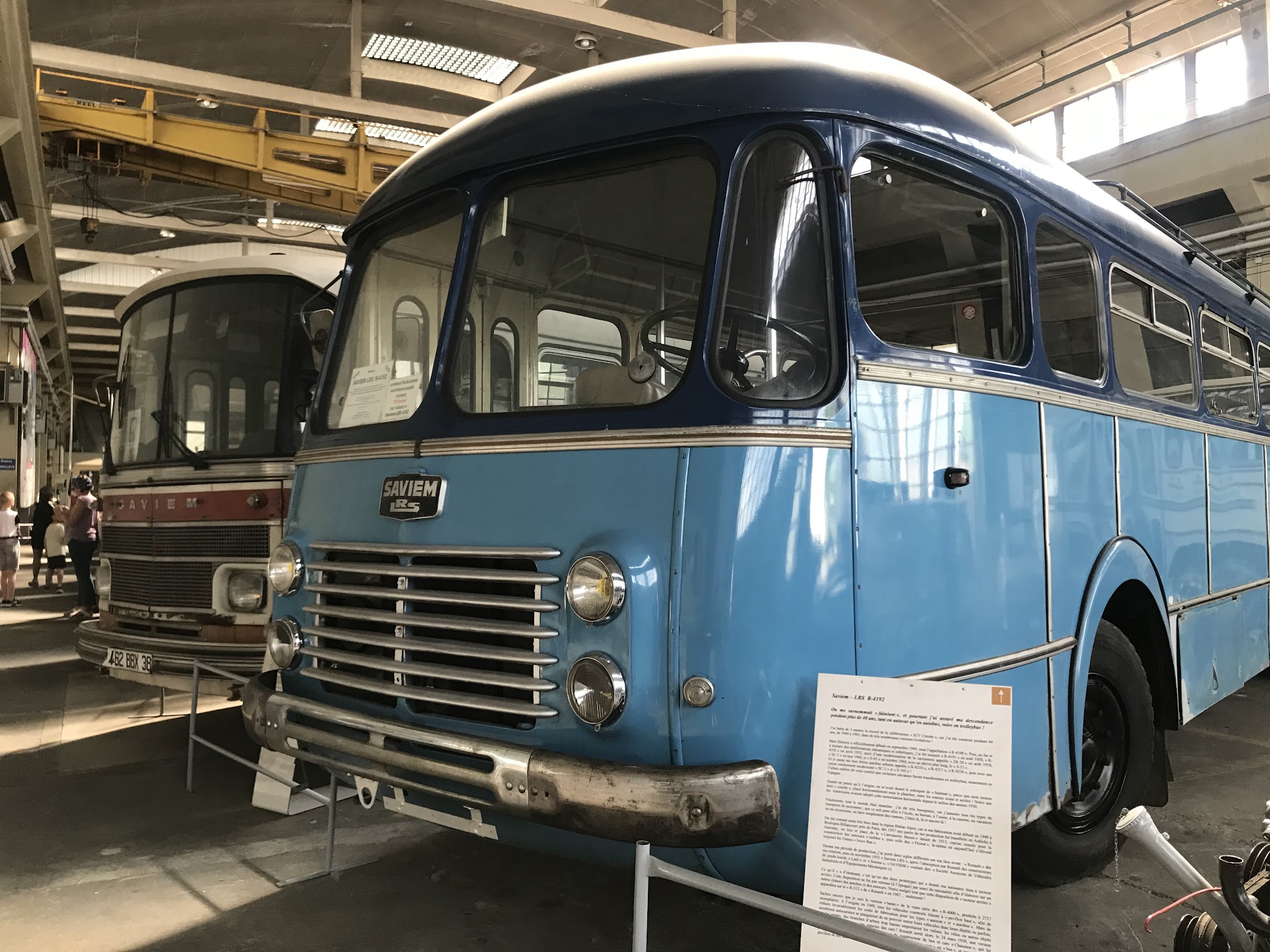
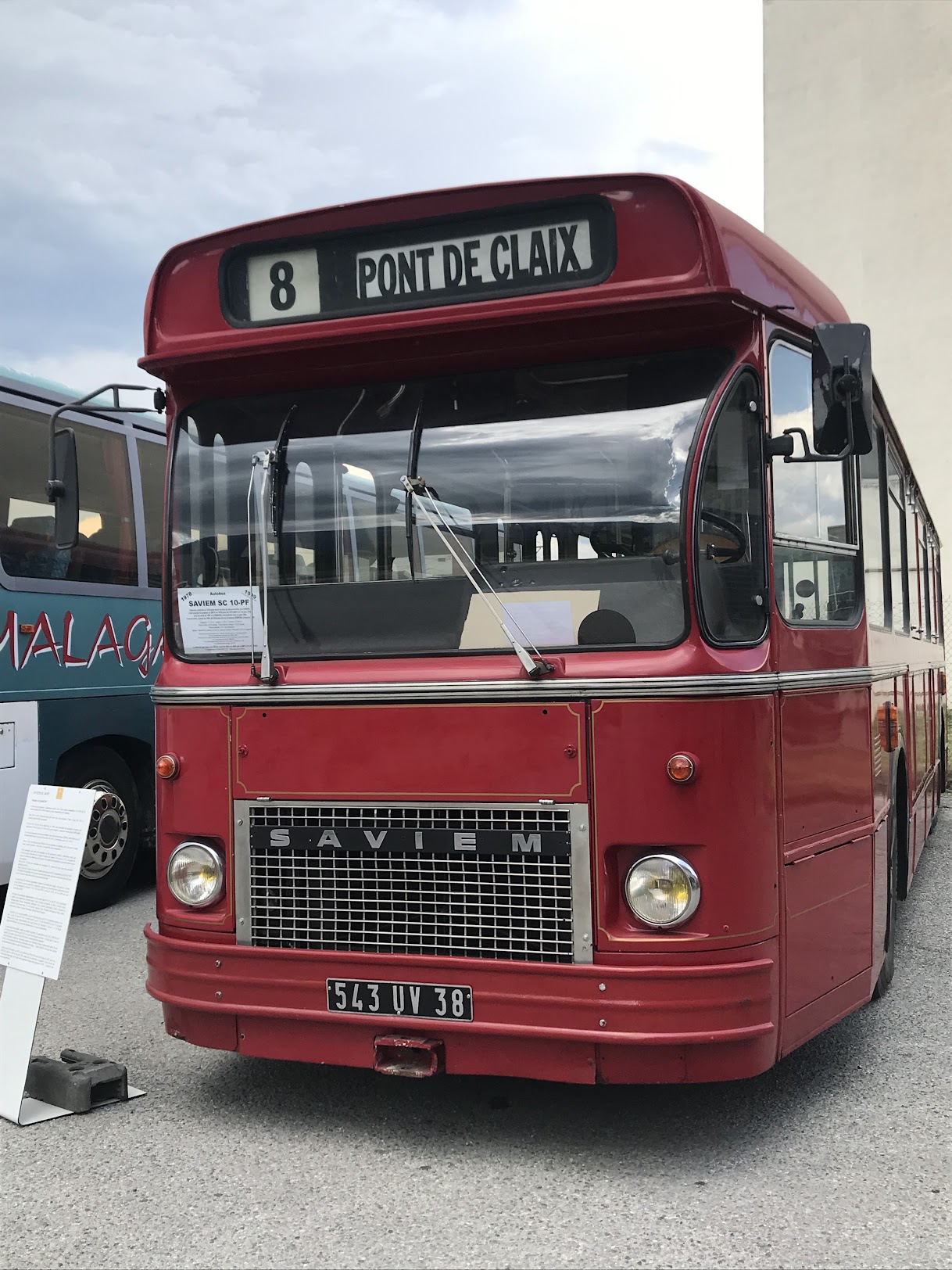



There’s something incredibly satisfying about these deep dives into these very ordinary, oft ignored, niche but foundational aspects of everyday life. Museums like the Musée de La Poste and Histo Bus play an important role in preserving and sharing our collective memory, and I’m so grateful for evenings like this that let me explore them.
 PlainGeets
Leave a comment