For as long as I can remember, I’ve been a museum aficionado. Museums, for me, are not merely static repositories of the past; they are living, breathing spaces where culture, memory, and imagination intersect.
That appreciation deepened during the five years I lived in France. Culture there is not a luxury; it is part of their basic infrastructure. From free museum Sundays to thoughtfully curated exhibitions, from neighbourhood festivals to world-class institutions, access to art and culture is woven into everyday life, and it quietly teaches citizens that culture belongs to them. There is a museum for almost every type of interest. From art at the world renowned museums to science and engineering to the postal services there is something for everyone.
Returning to India, I often felt a pang of regret. Despite possessing one of the richest and most diverse cultural heritages in the world, we have historically done far too little to promote it in ways that feel relevant, accessible, and engaging to contemporary audiences, especially younger ones.
That is why places like MAP Bangalore (Museum of Art & Photography) stands out. Over the last couple of years, I’ve visited MAP for several exhibitions, and what struck me immediately was how deliberately un-elitist the experience feels. From pricing and outreach to programming and curation, MAP has positioned itself as a welcoming cultural space for the city.
The curations themselves are a masterclass in balance. They offer unique, modern insights without assuming prior familiarity with museums or art history. This is no small feat, particularly when engaging the infamously hard-to-please youth of today. Yet MAP succeeds by telling stories differently, by foregrounding context, emotion, and relevance rather than authority.
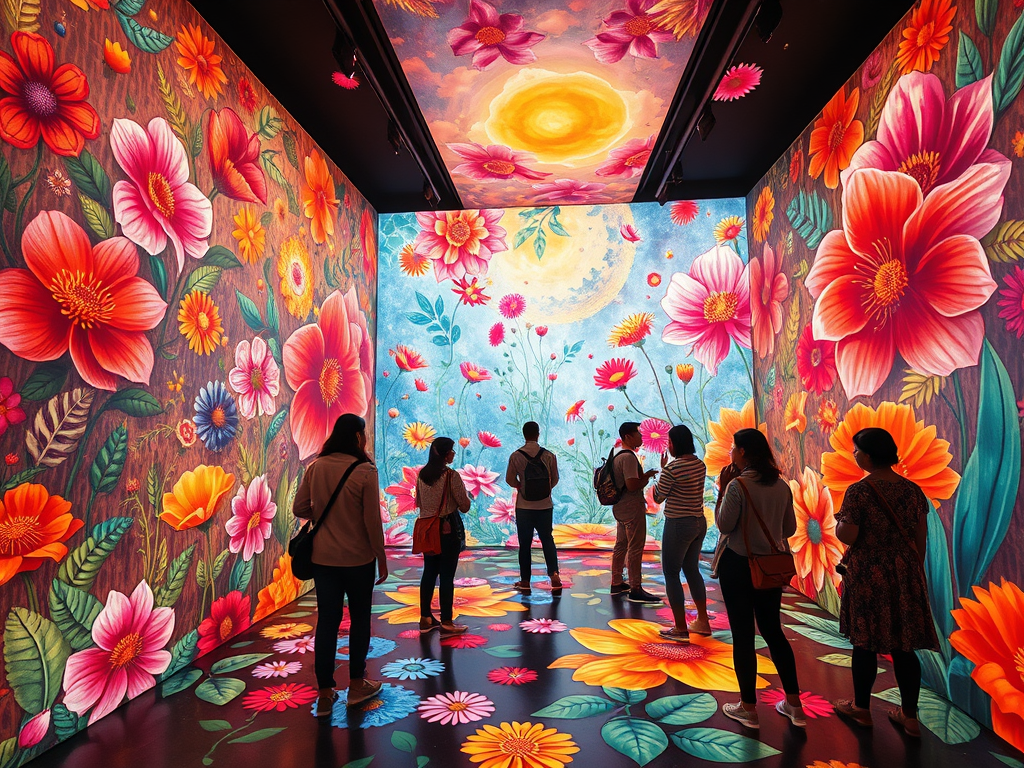
What truly left a lasting impression on me, however, were the digital immersive experiences. The recent “Step into a Painting” installation brings works from the MAP collection alive on 360° screens, inviting visitors literally inside the artwork.
This includes dynamic renditions of classic works such as Bengali folk art by Jamini Roy and floral compositions drawn from MAP’s Bouquet of Hope project, presented in breathtaking scale and motion. These experiences deepen engagement, inviting visitors to step into the work rather than observe it from a distance. Both of these experiences were nothing short of magical. The way MAP has integrated technology in ways that expand how we experience art, whether through 3D interactions with sculptures or immersive visual journeys, rival global benchmarks. Though shorter in duration, they reminded me strongly of experiences at the Atelier des Lumières in Paris.
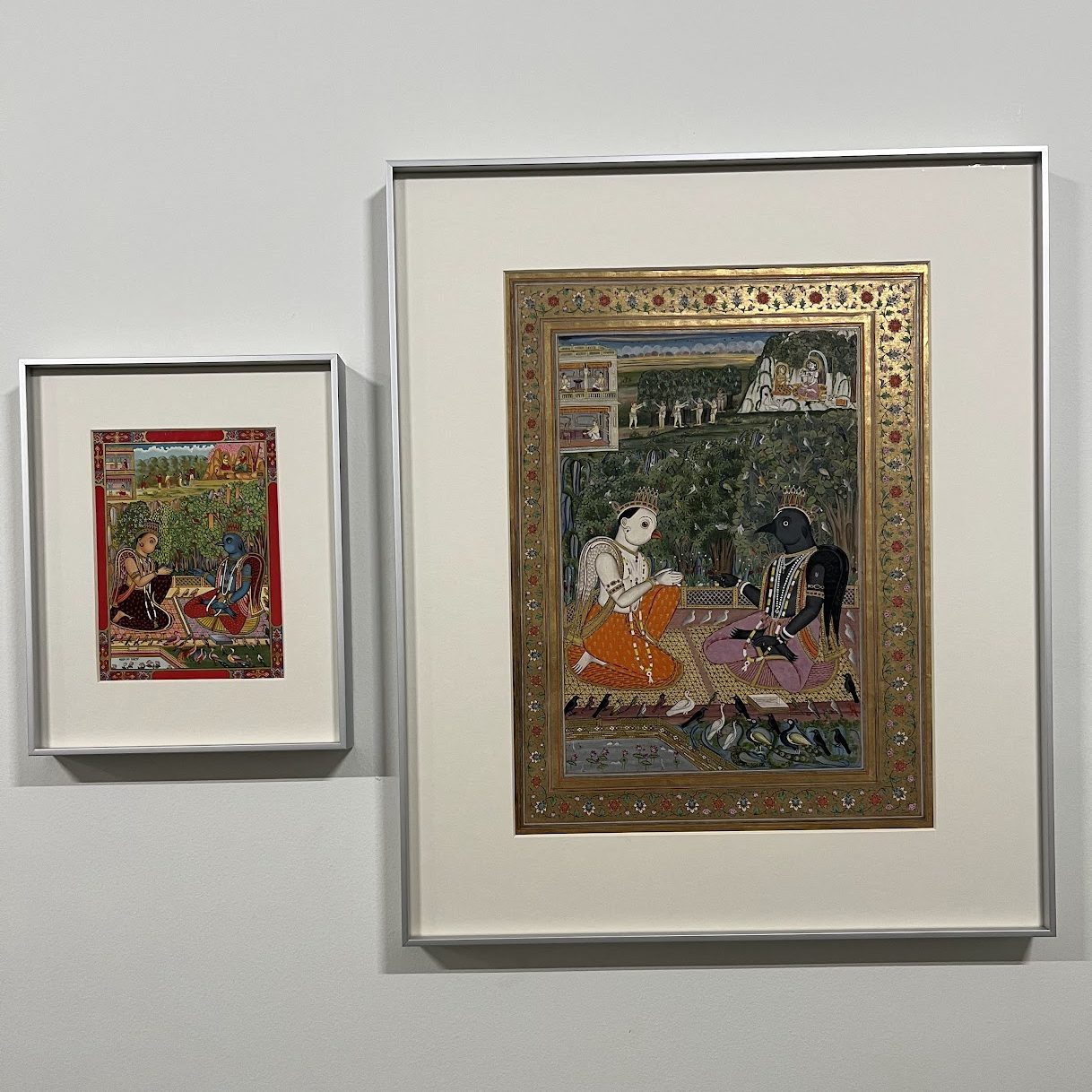
MAP also excels at making historical art feel relevant without anchoring it in religious dogma. Ancient texts and traditions are presented not as objects of belief, but as rich cultural sources that reveal the depth and complexity of India’s civilisational history. A miniature painting from the Ramcharitmanas, for instance, is framed as a narrative and artistic expression of its time, rather than a theological lesson. Paired with contextual elements like the textile ticket, the work invites viewers to engage with mythology, material culture, and craftsmanship as lived cultural practices—accessible even to those outside religious frameworks.
MAP’s approach matters because it models how museums can engage deeply without alienating. It shows how relevance and accessibility can expand a museum’s impact. It is also an excellent blueprint on what a 21st-century museum in India should be:
- Inclusive without being simplistic
- Technologically innovative without being gimmicky
- Contemporary without losing cultural depth
This matters because museums shape how societies relate to their heritage. If cultural institutions feel distant or exclusionary, people disengage. When they feel accessible, relevant, and immersive, they foster care…and care is the first step toward preservation.
This belief strongly aligns with what we are building at Bhaskar – a creative laboratory for Indian culture and artificial intelligence, with a mission to rethink AI from an Indian perspective.
At Bhaskar, we want to help bring more experiences like this to other cities across India by building projects that not only celebrate art and culture, but also confront how the age of artificial intelligence is reshaping cultural identity and access. Our aim is to collaborate with artists, curators, and culture-tech practitioners to host immersive cultural experiences in Bhaskar Labs, and to co-create new ones deeply rooted in regional and local art forms, languages, and perspectives.
We believe that India’s cultural future cannot be centralised or monolithic; it must be plural, local, and participatory. In an era where technology increasingly mediates what we see, hear, and share, we also have a responsibility to ensure that this technology reflects and preserves the depth of Indian heritage rather than diluting it.
India doesn’t lack culture. We lack enough spaces that help people experience it. At Bhaskar, we envision bringing more experiences like this to cities like Ajmer. We invite artists, culture-tech innovators, and creative thinkers to collaborate with us – to host immersive cultural engagements at Bhaskar Labs and co-create new ones rooted in regional and local art forms.
 PlainGeets
Leave a comment