There are some views that shape how you see the world. Not just aesthetically, but philosophically, quietly influencing what you value, what you notice, and eventually, what you choose to build.
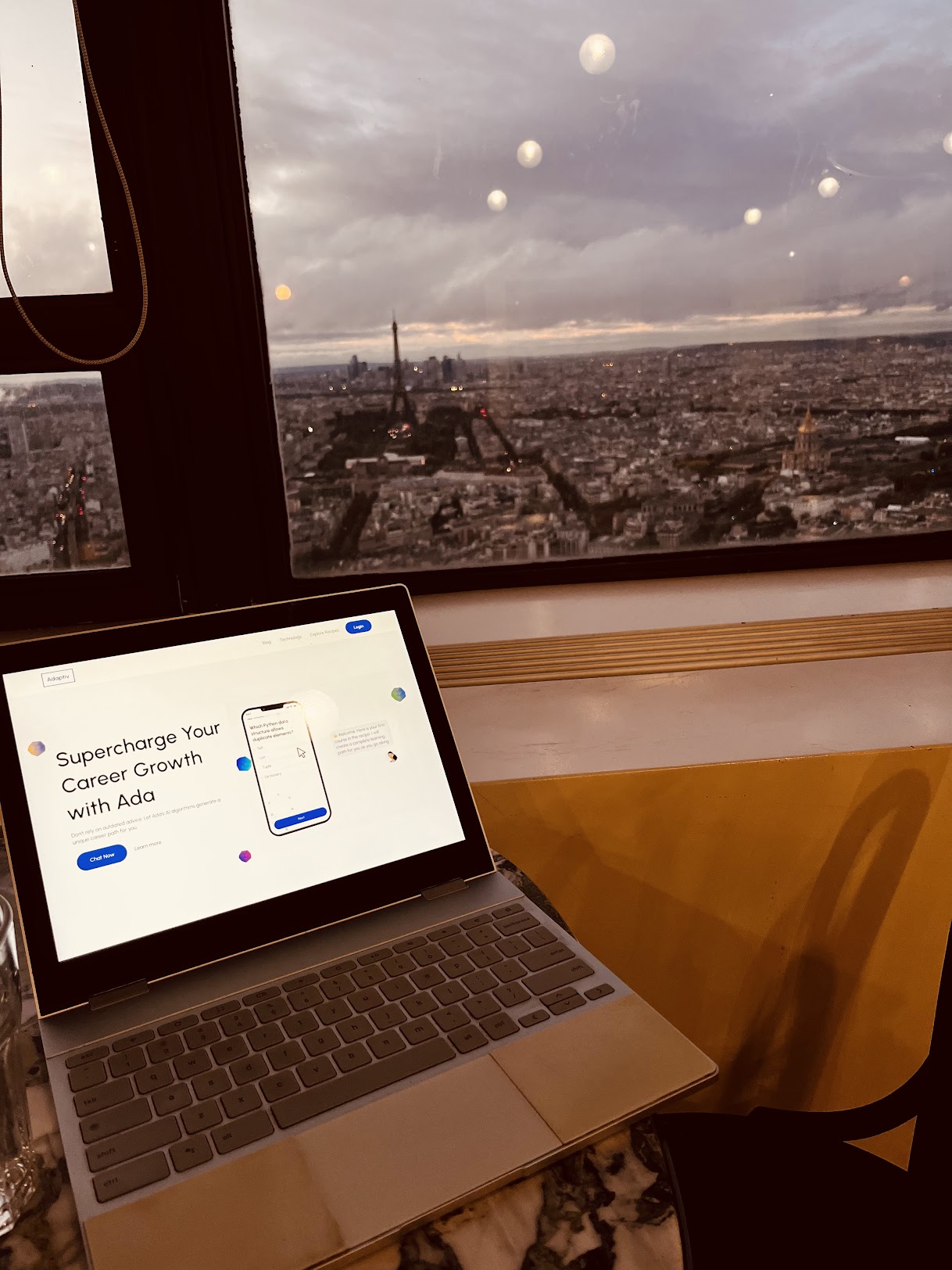
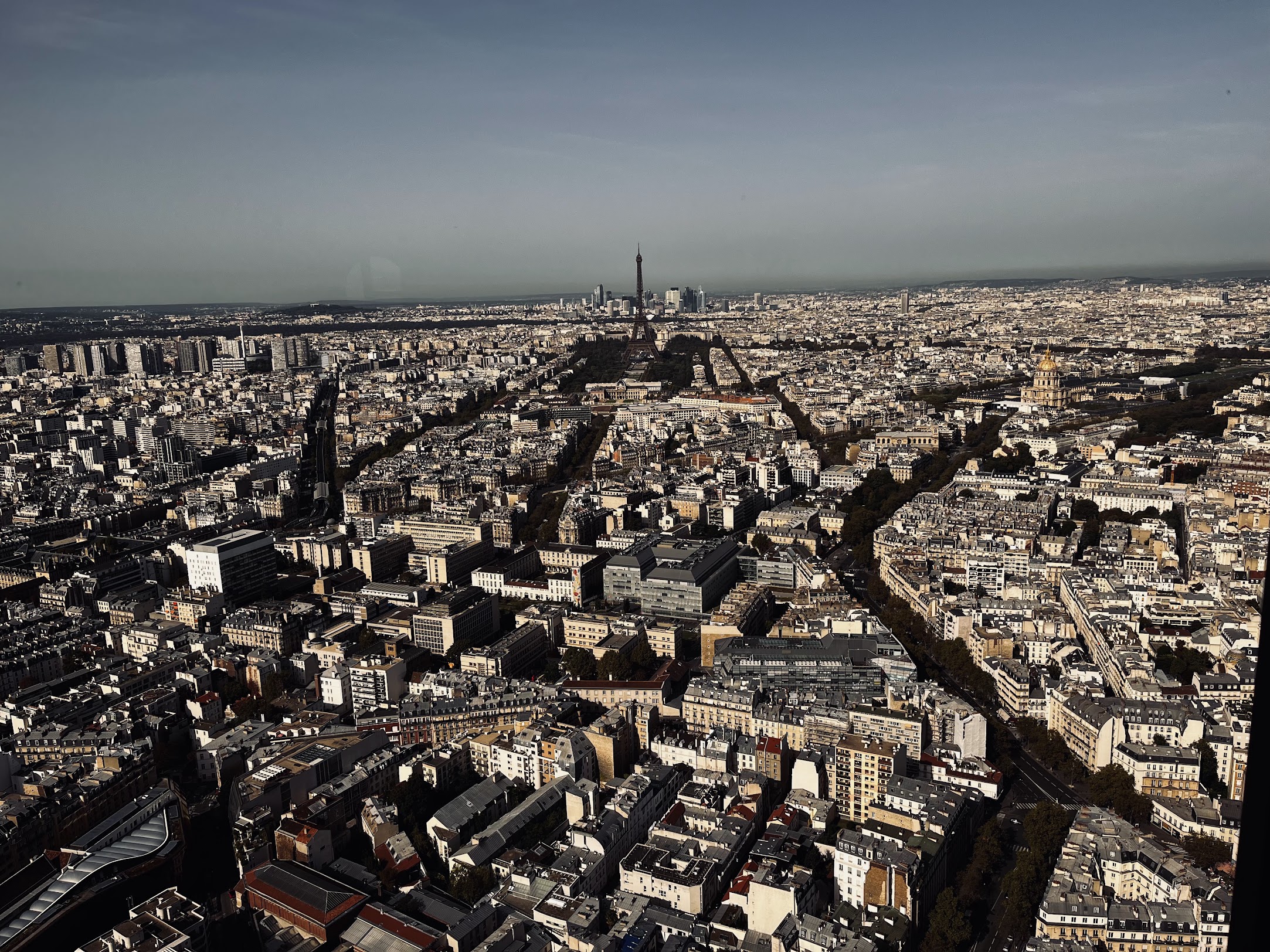
In Paris, we worked out of co-working space, and our vantage point was the 52nd floor of the Tour Montparnasse. From there, the city unfolded like a perfectly composed canvas – landmarks punctuating the skyline with a kind of practiced elegance that is synonymous with Paris. It was a view that made you think in systems: about scale, design, coherence, and the invisible structures that hold something as complex as a city together.
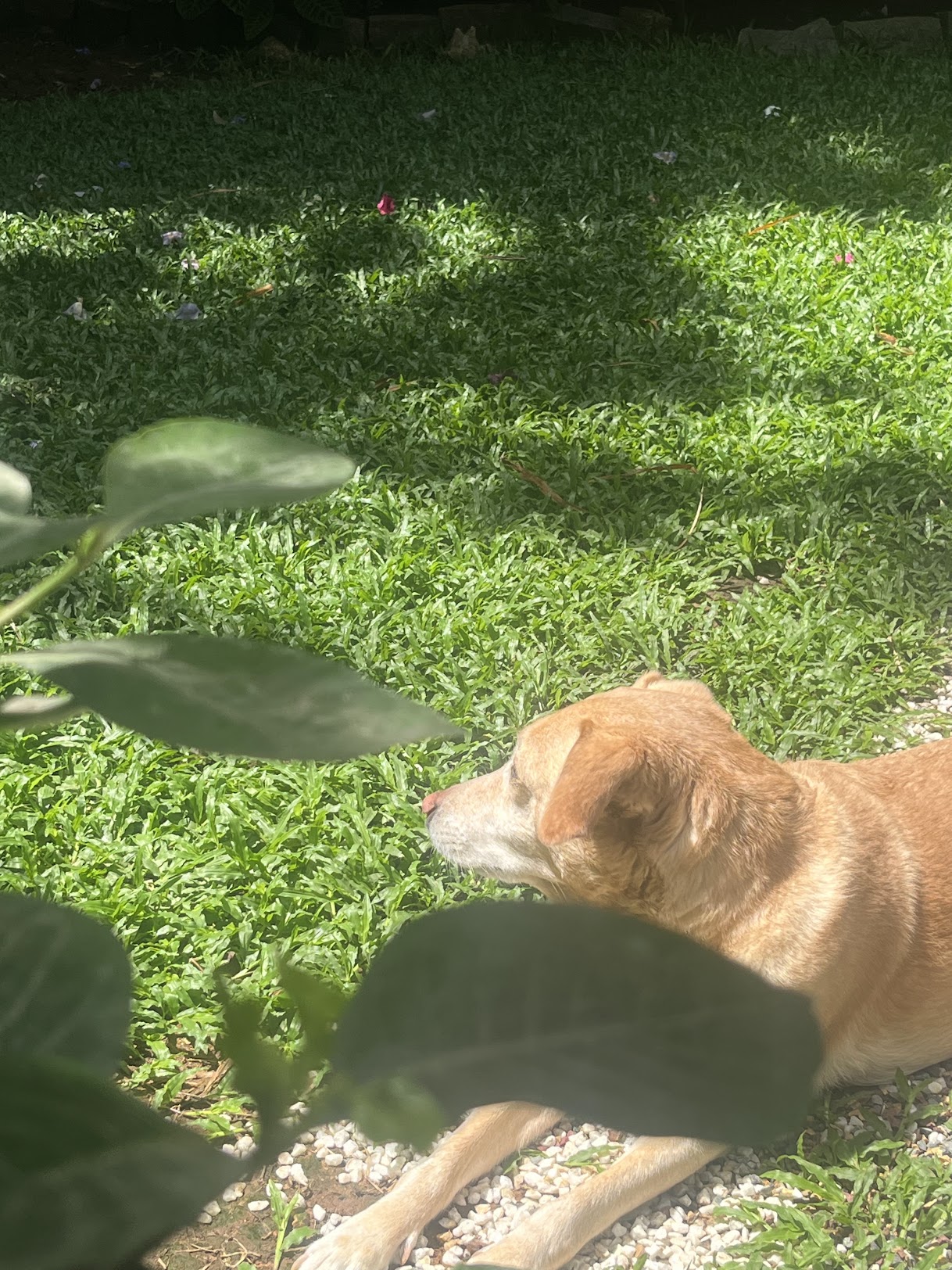
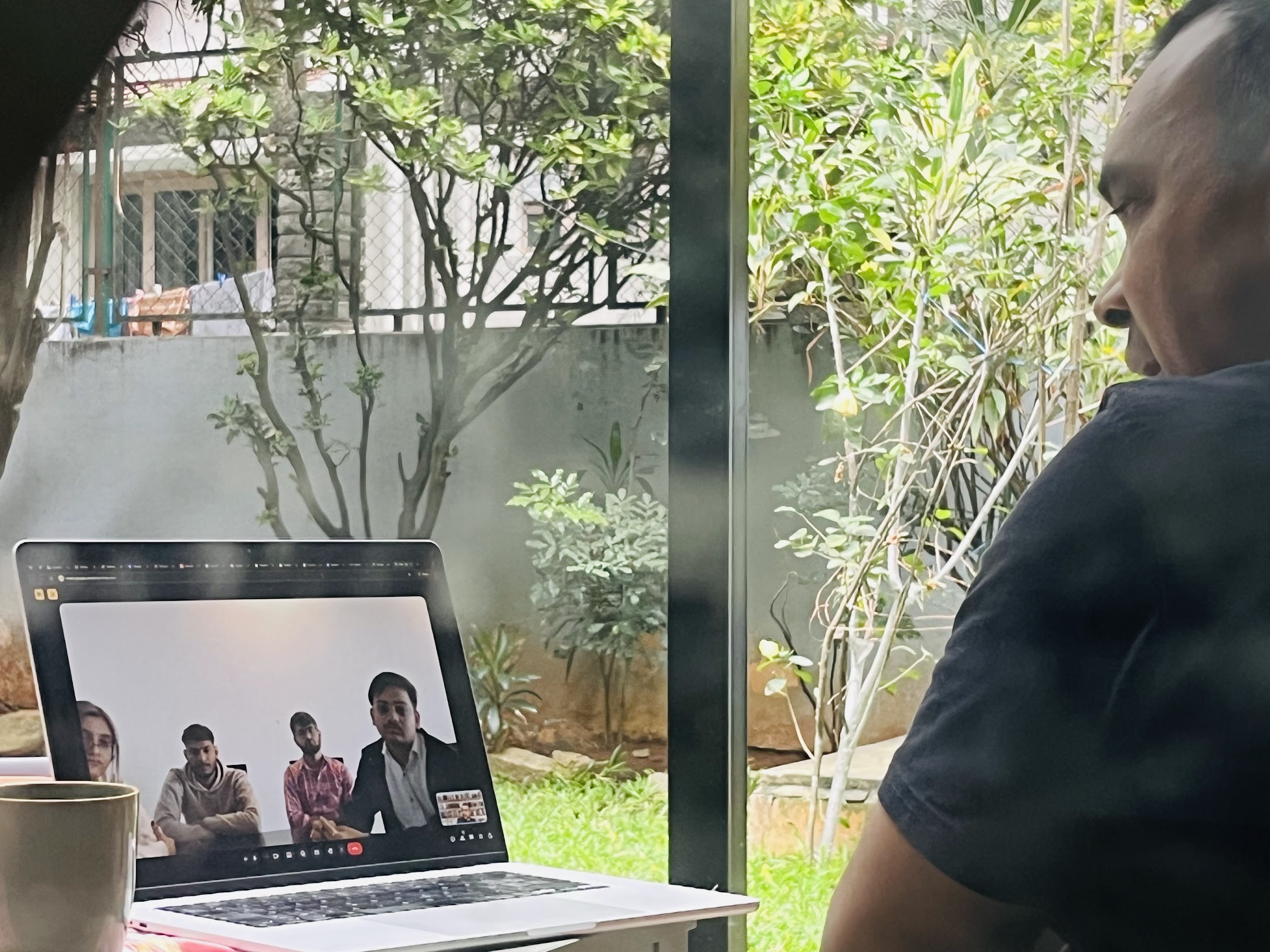
In Bangalore, the shift was immediate and grounding. The view was quieter, and more intimate, since we work from home, overlooking a garden that changes in small, observable ways each day. The light filters through leaves differently depending on the hour. Birds (and cats) float through the garden without paying any heed to us.
And then there is Ajmer.
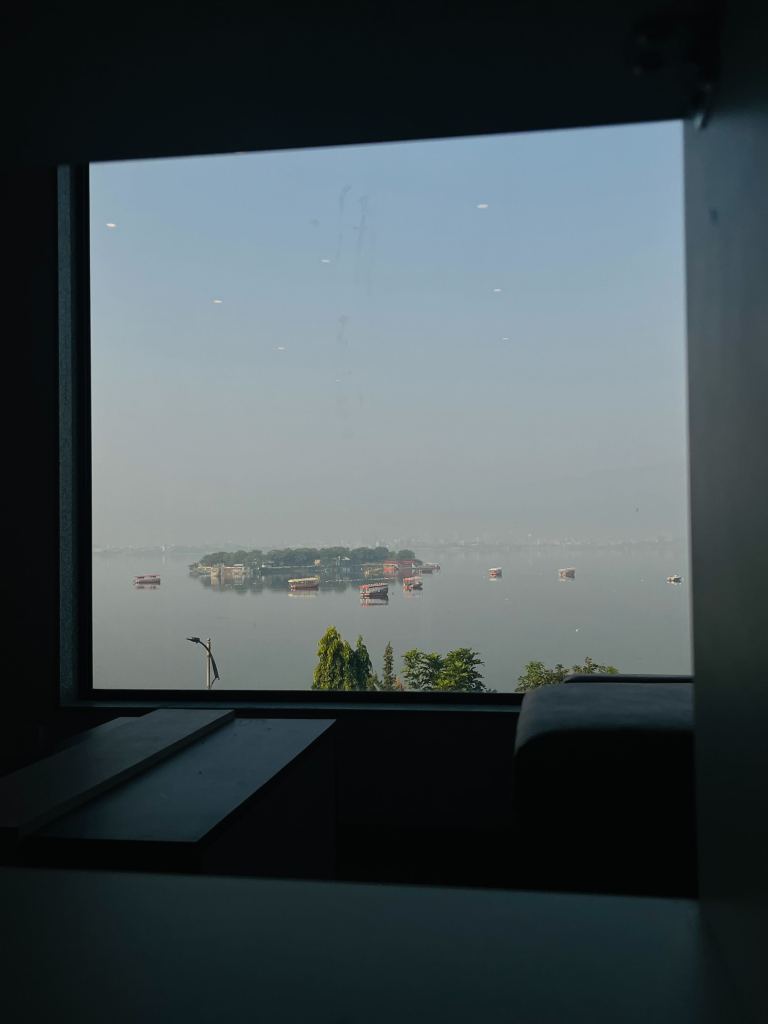
At the Project Bhaskar space, we have two fabulous views that constantly draw my attention, and inspire me endlessly. On one side lies the expanse of Ana Sagar Lake, calm and reflective, catching the sun as it rises and softening into gold as it sets.
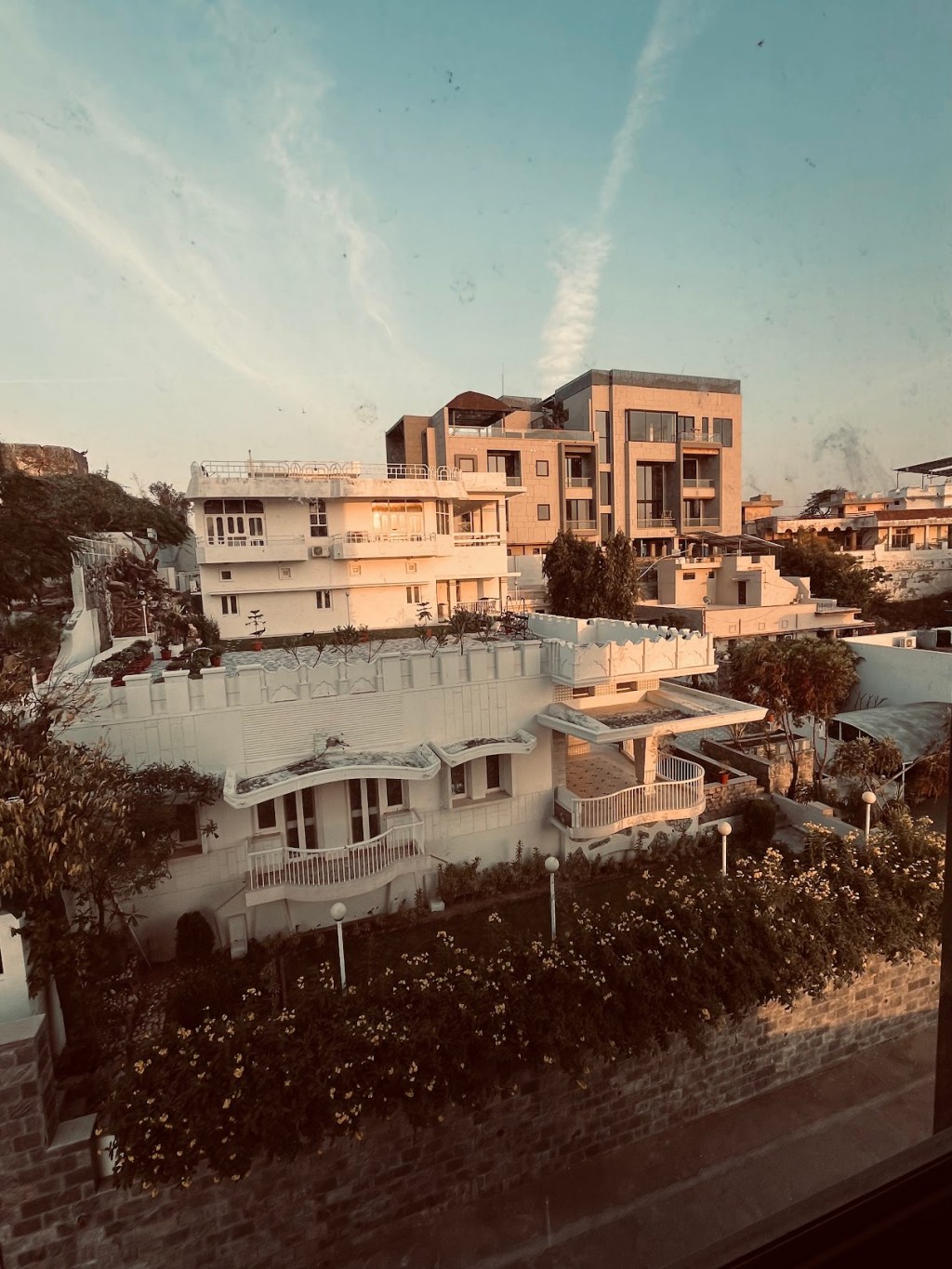
On the other side is a back alley with houses that feel like they have been quietly resisting time.
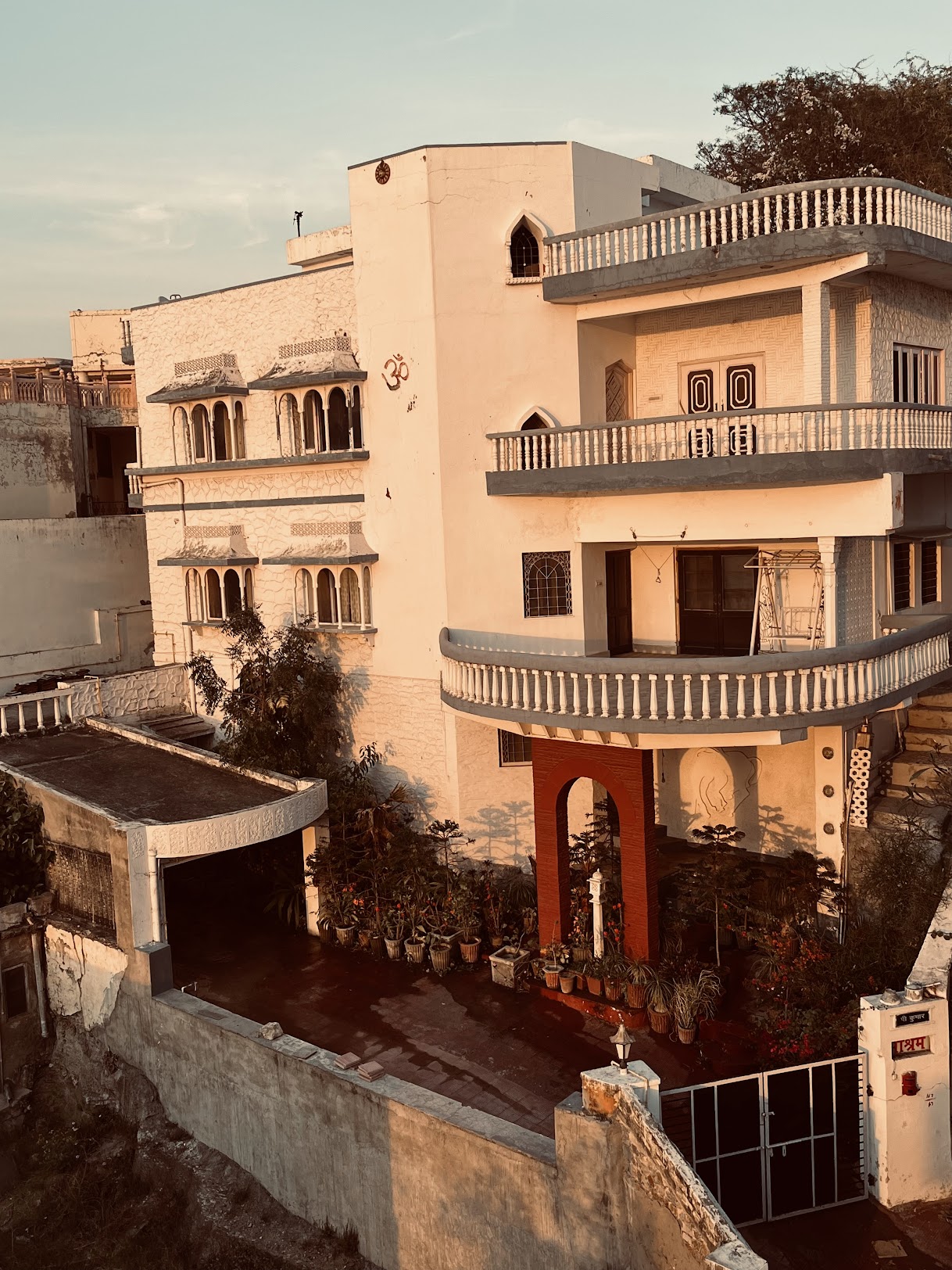
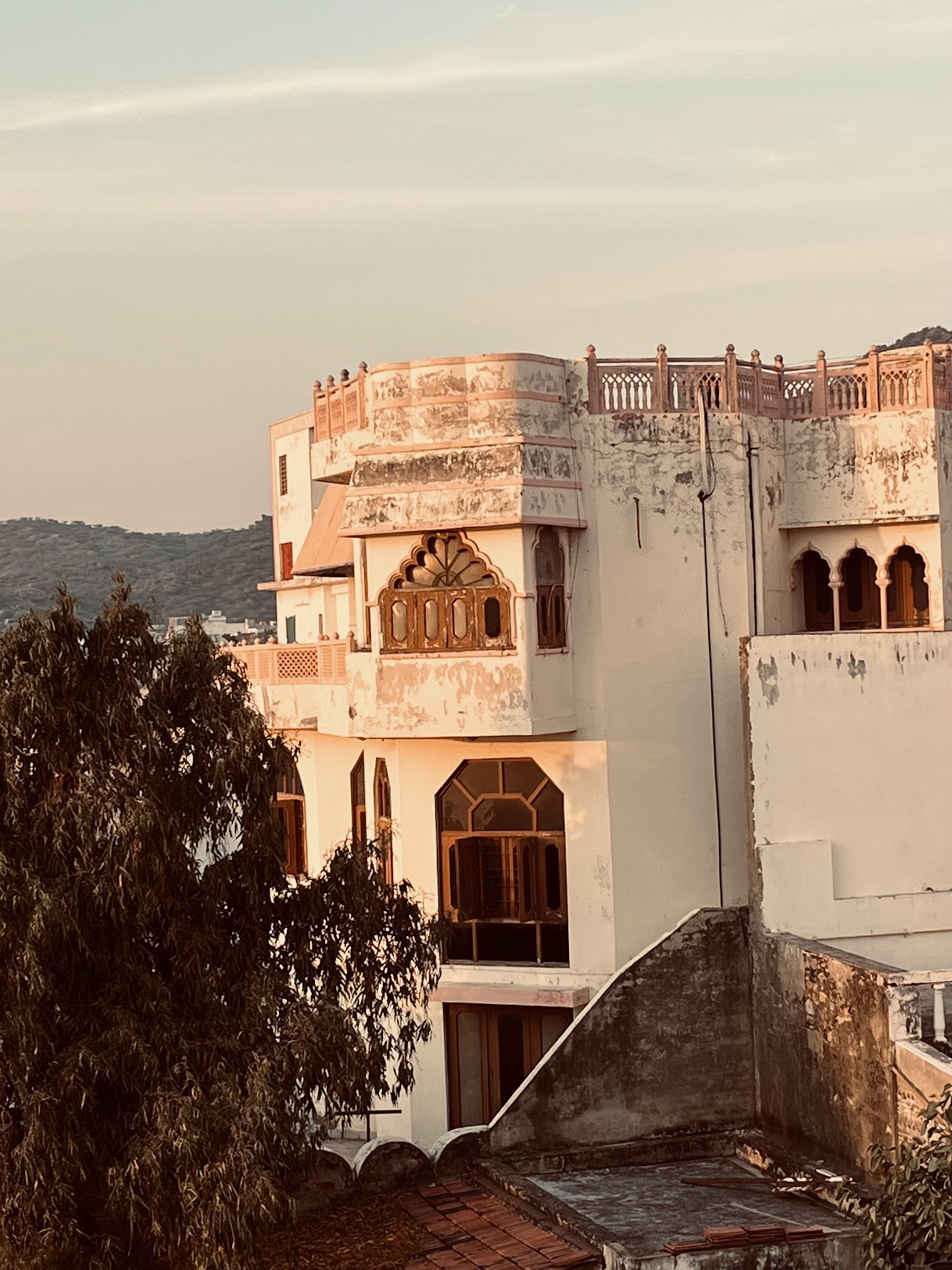
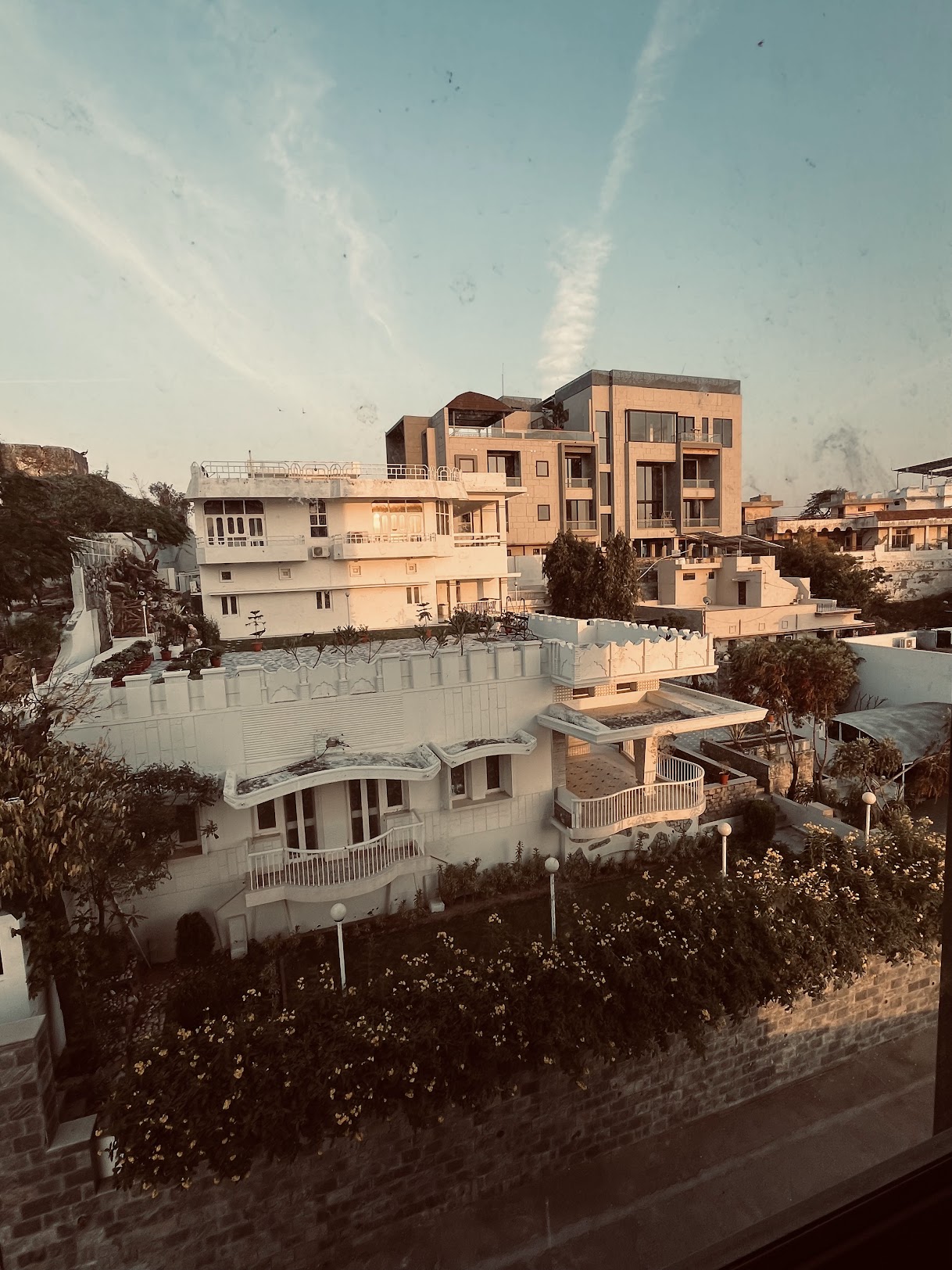
These homes are not grand in the way palaces are, nor are they curated for admiration. They are lived in, worn down, adapted – layered with stories that don’t announce themselves but will reveal themselves if you care to look long enough.
There is one haveli with peeling plaster, its façade weathered but still holding onto a striking lotus arch – an architectural detail that feels almost poetic in its persistence. It’s easy to imagine a time when it was pristine, when the arch was a statement of pride rather than a remnant of it.
Another house stands in contrast – well maintained, its garden carefully tended. This is where I’ve spotted peacocks on several occasions. They appear unexpectedly, moving through the space with a kind of quiet authority, as though they belong to both the past and the present at once.
And then there is the house with the dog. Twice a day, without fail, he emerges to scold the humans who have dared to occupy the street outside his domain. There is a ritual to it – a rhythm that adds an oddly charming sense of continuity to the everyday. Sometimes, I whistle just to get his attention, to prompt the performance. He never disappoints.
These are not curated experiences. There are no plaques, no guided tours, no official narratives telling you what to notice or why it matters. And yet, I know that they will stay with me in a way that more formal heritage won’t.
It’s not an accident that Project Bhaskar was born here…for when you work within a space that carries such visible links to the past, something shifts internally. You can’t help but start thinking differently about time – not just in terms of speed or efficiency, but in terms of continuity. You begin to question what is worth preserving, and more importantly, what preservation actually means.
Because the truth is, these buildings are unlikely to make it to any heritage list. There will be no government circular issued in their defence (not that our government would ever care enough to do that), nor any formal recognition of their architectural or cultural value. The families who live inside them are navigating the same pressures as everyone else – economic realities, aspirations for modernity, the practical challenges of maintaining aging structures. For many, these homes probably feel less like heritage and more like burden.
And that is a perspective that deserves understanding.
Preservation, after all, is rarely a neutral act. It requires resources, intention, and often, a willingness to hold onto something that may not immediately serve present-day needs. Not everyone has that luxury.
But for now, the buildings are still there.
At dusk, they turn golden. The imperfections, the cracks, faded paint, and weathered edges seem to dissolve into something softer, something almost luminous. It’s a kind of beauty that doesn’t demand attention but rewards it. A beauty that cannot be replicated by new construction, no matter how polished or well-designed.
There is a quiet lesson embedded in this view: Not everything that matters will be formally recognised. Not everything worth preserving will be protected. And yet, their presence can still shape you, subtly but profoundly.
Perhaps that is the real value of places like this. They don’t just exist as physical spaces; they function as reminders of continuity, of impermanence, and of the delicate balance between holding on and moving forward.
What better inspiration could one seek beyond this?
 PlainGeets
Leave a comment