At the Hôtel de Ville, Paris, for the Journées du Patrimoine, I couldn’t help but admire the importance France accords to traditional professions, and the investment of the government towards promotion of certain manual skills and new jobs related to preservation of heritage. From the stain glass paintings at the beginning of the visit showcasing the many different professions of the yesteryears, to the dedicated stands highlighting the contribution of artisans, technical and traditional vocations, one couldn’t help but be aware of the professions that are no longer discussed.
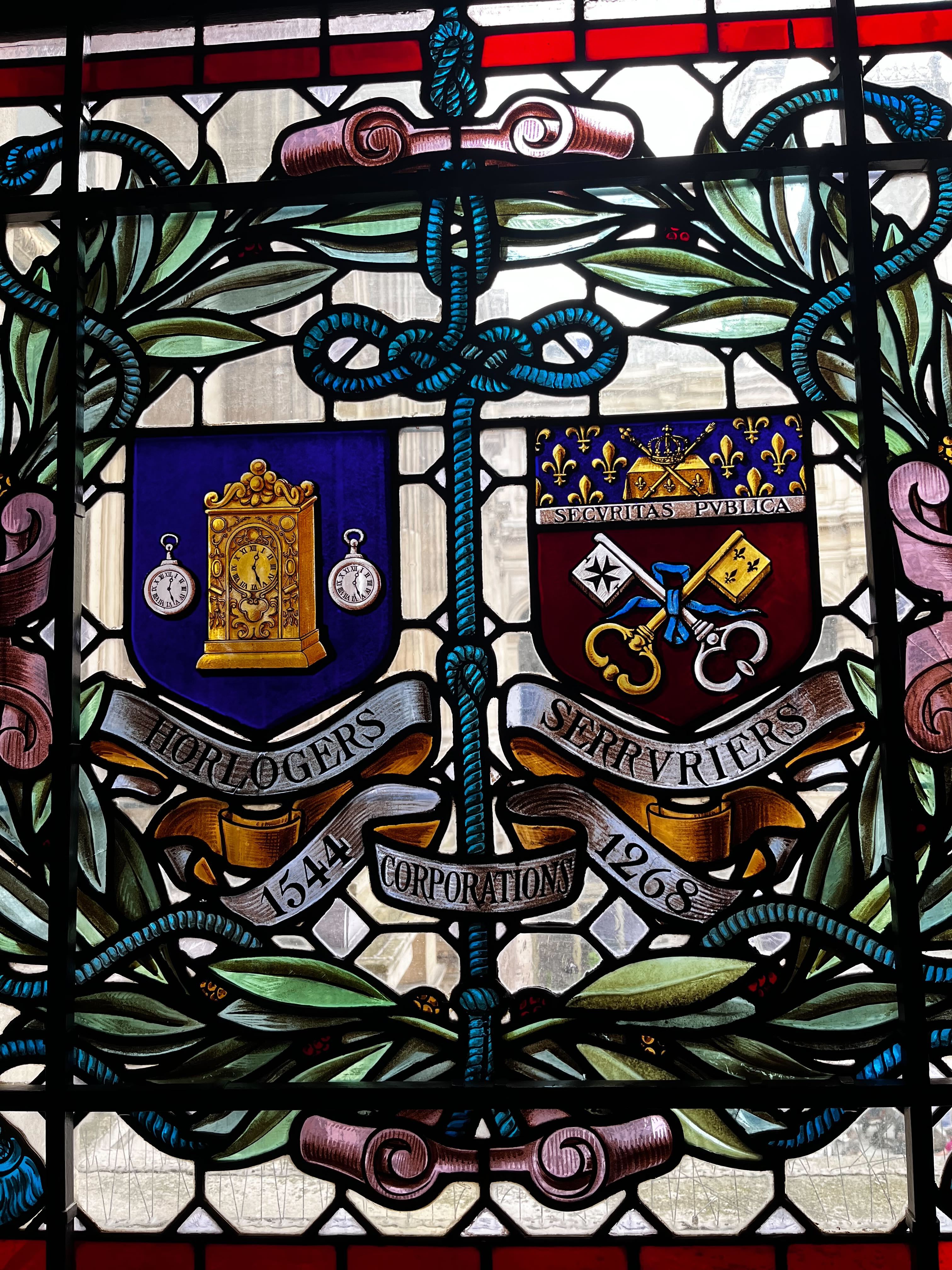

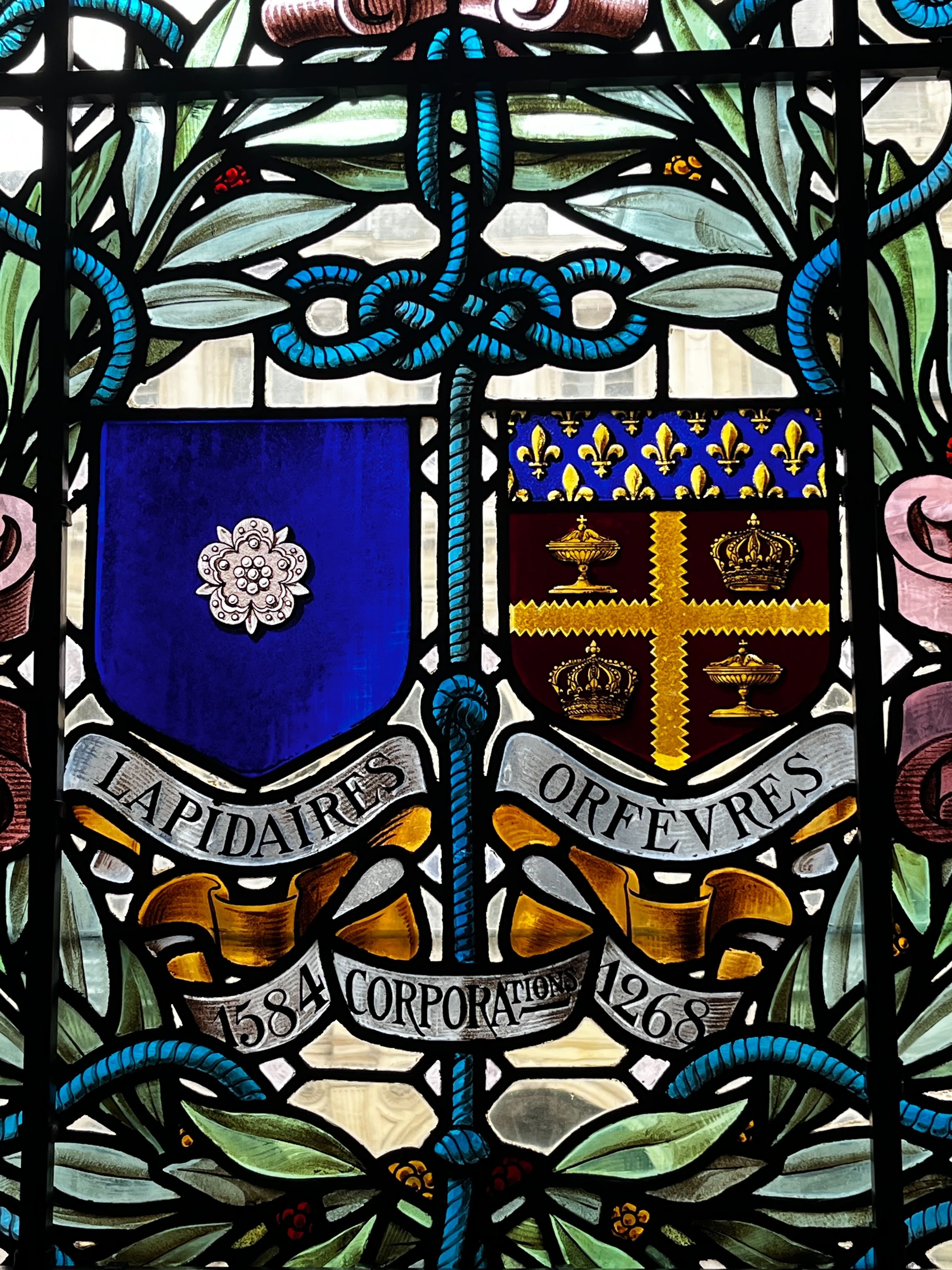
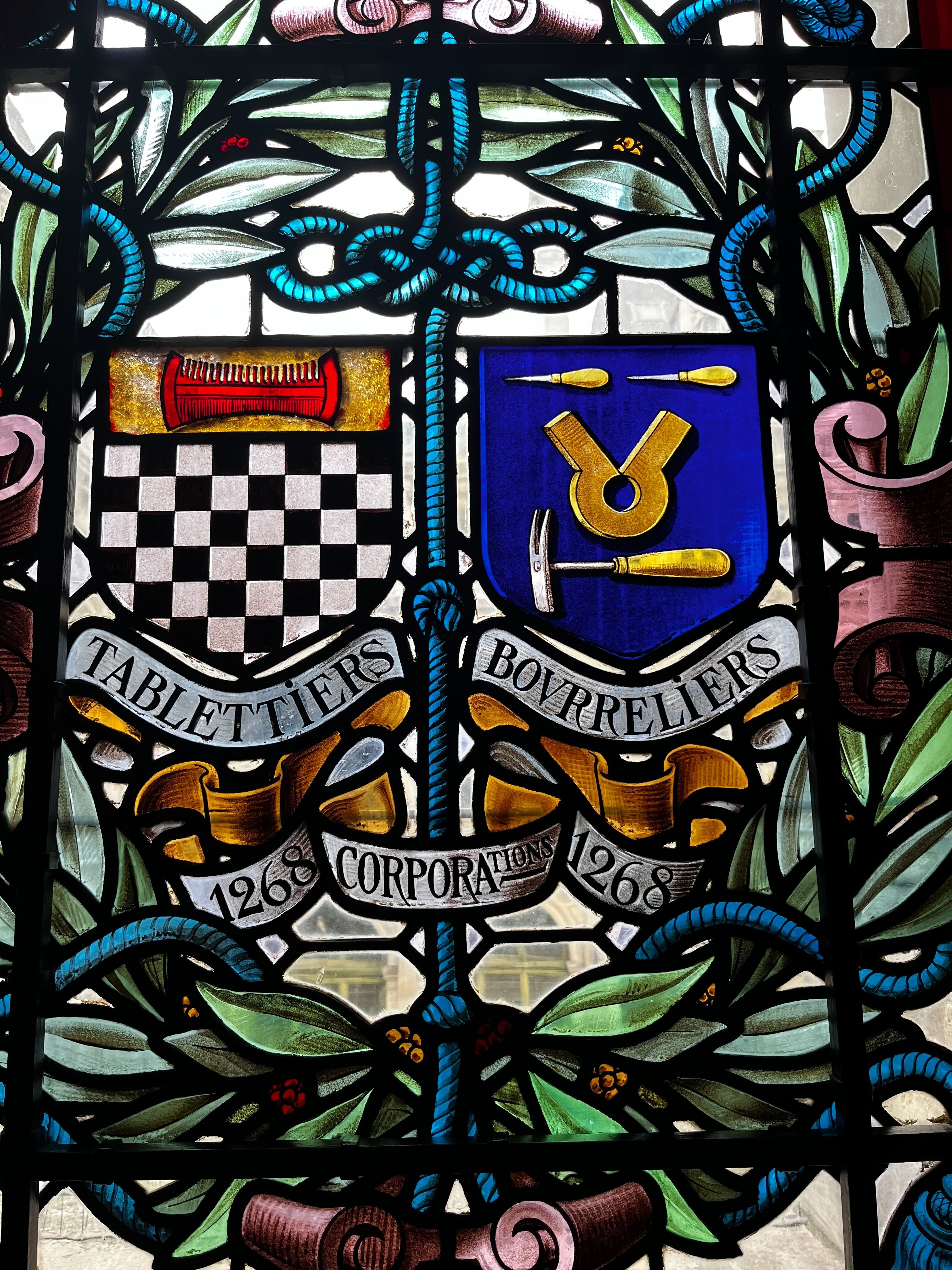
In a rapidly evolving world, where technological advancements and automation are taking center stage, traditional vocations like masonry, roofing, plumbing, and other skilled trades may appear to be fading into obscurity. However, a closer look reveals that these age-old professions not only have enduring relevance, but also offer promising opportunities for career growth.
Traditional Skills in the Future of Work
The future of work is a landscape undergoing seismic shifts, driven by automation and artificial intelligence. While some predict that automation will replace human jobs across various industries, traditional vocations like masonry, roofing, carpentry, and blacksmithing remain resilient. Why? Because these skills are not easily replicated by machines. They require a blend of technical expertise, craftsmanship, and creativity that computers and robots cannot fully replicate.
These vocations also form the backbone of many industries, including construction, architecture, and heritage preservation. According to the World Economic Forum, the demand for skilled tradespeople is expected to remain robust, if not increase, as population growth and urbanization continue. Additionally, the aging workforce in these professions opens up numerous opportunities for newcomers to establish themselves and ascend the career ladder. While countries like France are doing their best to revive, maintain and promote these vocations, we need to change the way manual activity is perceived in countries like India, where professional dignity is associated with jobs in the digital economy.
Importance of Preserving Heritage, Restoration, and Culture
One of the most compelling reasons for the continued importance of traditional vocations lies in their role in preserving heritage, restoration, and culture. These skills are not just about building new structures; they are about maintaining and revitalizing the old.
🏛️ Preserving History: Historic buildings and monuments are a testament to human history and culture. Skilled tradespeople are entrusted with the delicate task of restoring and preserving these structures, ensuring that future generations can appreciate and learn from the past. The knowledge and craftsmanship required for such endeavors are invaluable.
🏺 Cultural Identity: Traditional crafts are often closely tied to the cultural identity of a region. For example, the intricate stonework of temples in India, or the adobe architecture in the American Southwest are not only functional but also symbols of cultural heritage. Skilled tradespeople play a crucial role in maintaining these cultural markers.
❇️ Sustainable Practices: Many traditional vocations are inherently sustainable. Techniques passed down through generations emphasize using locally sourced materials and time-tested methods, reducing the environmental impact of construction and maintenance. These practices are highly relevant and sought after with the growth of environmental consciousness.
In a world where the future of work is uncertain, traditional vocations like masonry, roofing, and skilled trades shine as beacons of stability and promise. These professions offer a unique blend of technical skill, craftsmanship, and cultural preservation that is hard to replicate. Furthermore, the integration of technology and AI has only served to enhance their relevance and efficiency, making them even more vital in the modern age.

Impact of New Technologies and AI in Traditional Vocations
The integration of technology and artificial intelligence has transformed the landscape of traditional vocations, but it has not rendered them obsolete. Instead, it has enhanced their efficiency and precision, making these professions even more vital in the modern world.
💻 Digital Tools and Design: In masonry and roofing, digital tools like Computer-Aided Design (CAD) software have revolutionized the planning and design phase. Architects and builders can collaborate with skilled tradespeople to create intricate and accurate blueprints, ensuring that every element of a project aligns perfectly. This not only saves time but also reduces waste and costs.
🧑🔧 Materials and Techniques: The introduction of innovative materials and construction techniques has also had a significant impact on traditional vocations. Tradespeople must stay up-to-date with the latest advancements in insulation, roofing materials, and sustainable construction practices. Adaptation to these changes is essential for career growth in these professions.
🏗️ Safety and Efficiency: AI has been employed to enhance safety on construction sites, and even the repair and restoration of heritage sites like the Notre Dame de Paris. Drones equipped with cameras can conduct safety inspections, and robots can assist with heavy lifting and repetitive tasks, reducing the risk of injuries. This makes traditional vocations safer, and more appealing as long-term career choices.
As we move forward into an era where heritage preservation, sustainable practices, and cultural identity are of paramount importance, the individuals who master these traditional skills will be the torchbearers of our past and the architects of our future. In the pursuit of career growth, those who choose these vocations are not just securing their own future; they are also safeguarding the rich tapestry of human history and culture for generations to come. Embracing these time-honored crafts is not a step backward; it is a leap forward into a future where tradition and innovation coexist harmoniously, shaping a world that is both modern and deeply rooted in its heritage.
 PlainGeets
Leave a comment