
Art has always been a part of my life, but my understanding of it has been an evolving journey. I’ve taken a few courses in art history and learned about different movements and artists. I can recognise artistic genres, trace their evolution, and appreciate the historical forces that shaped them. And yet, during my recent visit to the Centre Pompidou, I realised just how much colour matters to me – much more than its form, technique, or even its subject. From the much loved Monet, Manet, Degas and Renoir to Delaunay, Cézanne, Chagall, Klein and even Rothko, it is always the colours that catch my attention first.
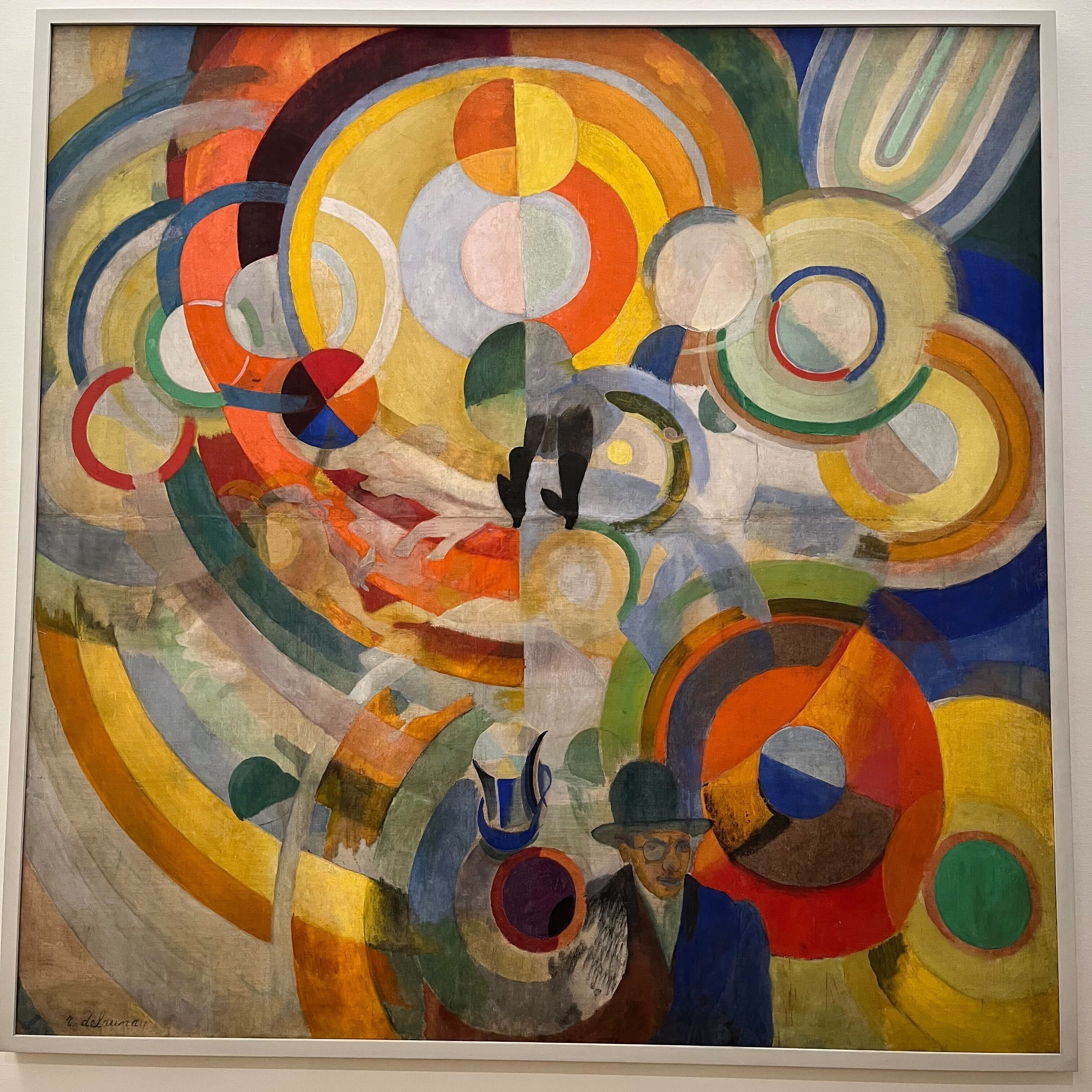
Walking through the permanent collection at Pompidou, I found myself immersed in bold, striking compositions. Some were built on intricate patterns of colour, structured almost mathematically; others seemed to explode in an expressive, chaotic burst. The styles varied widely – some movements emphasised abstraction, others played with perspective, and some rejected representation altogether. Yet, despite their differences, the works that pulled me in the most were the ones that used colour as a primary mode of expression.
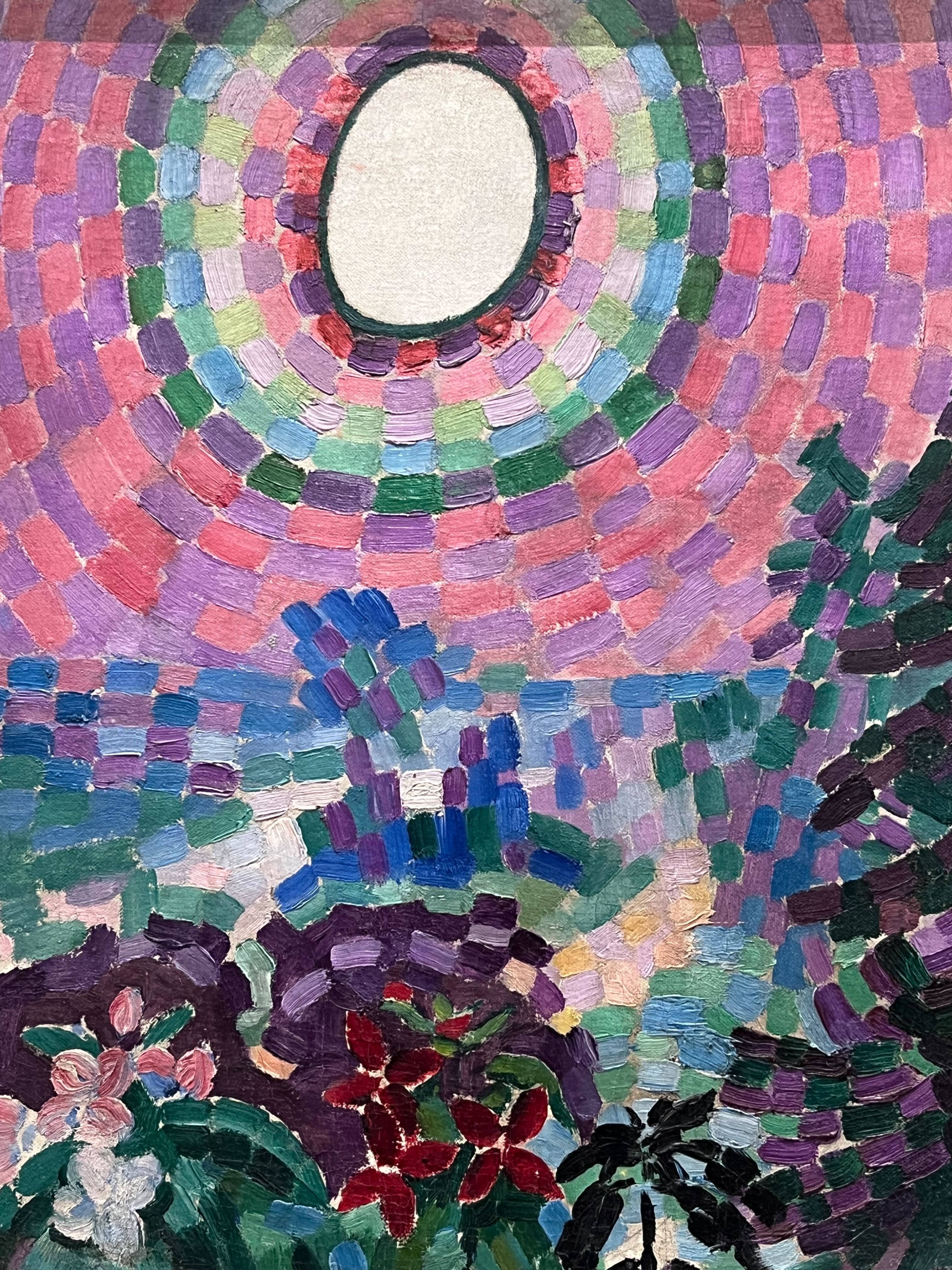
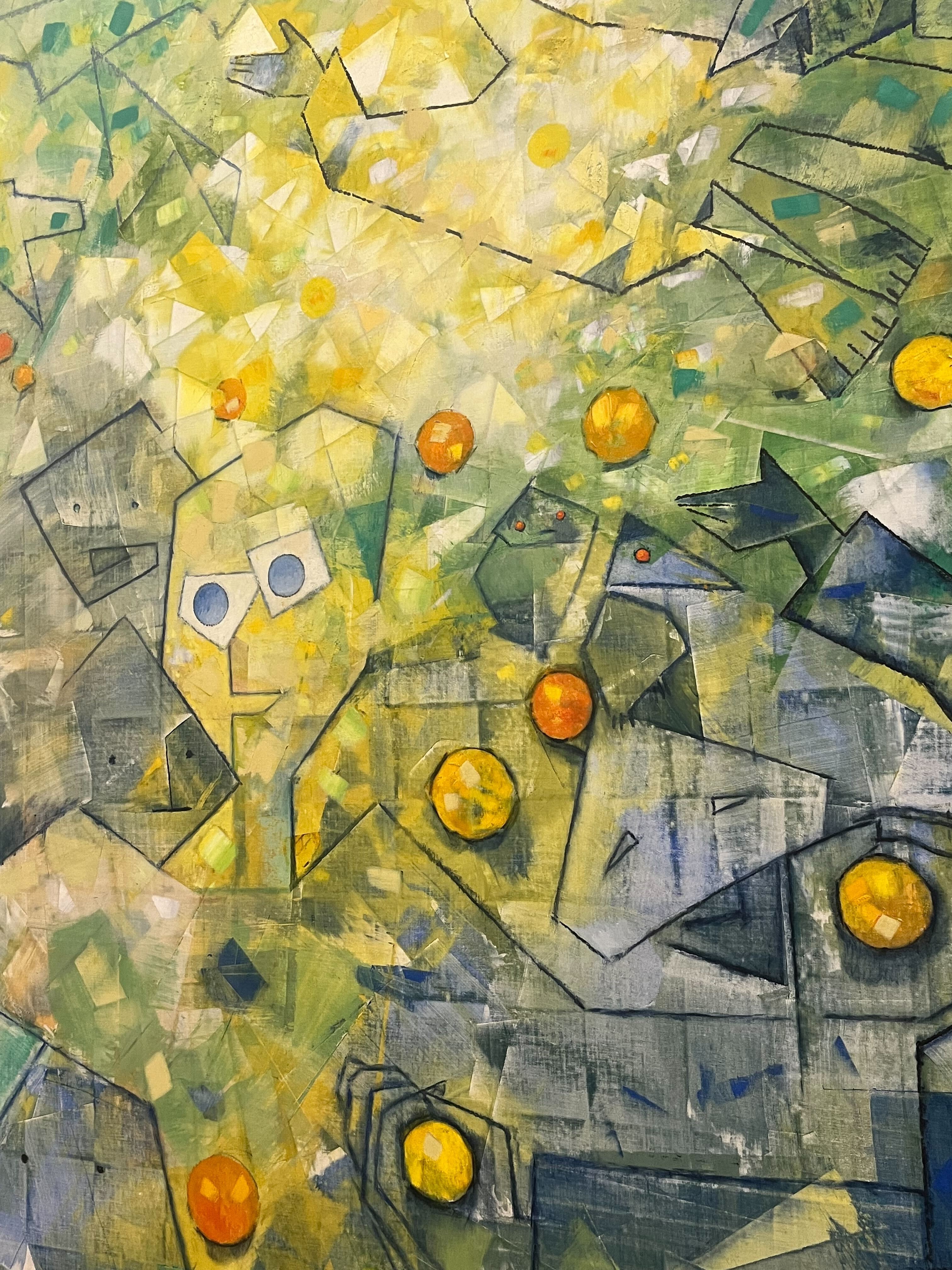
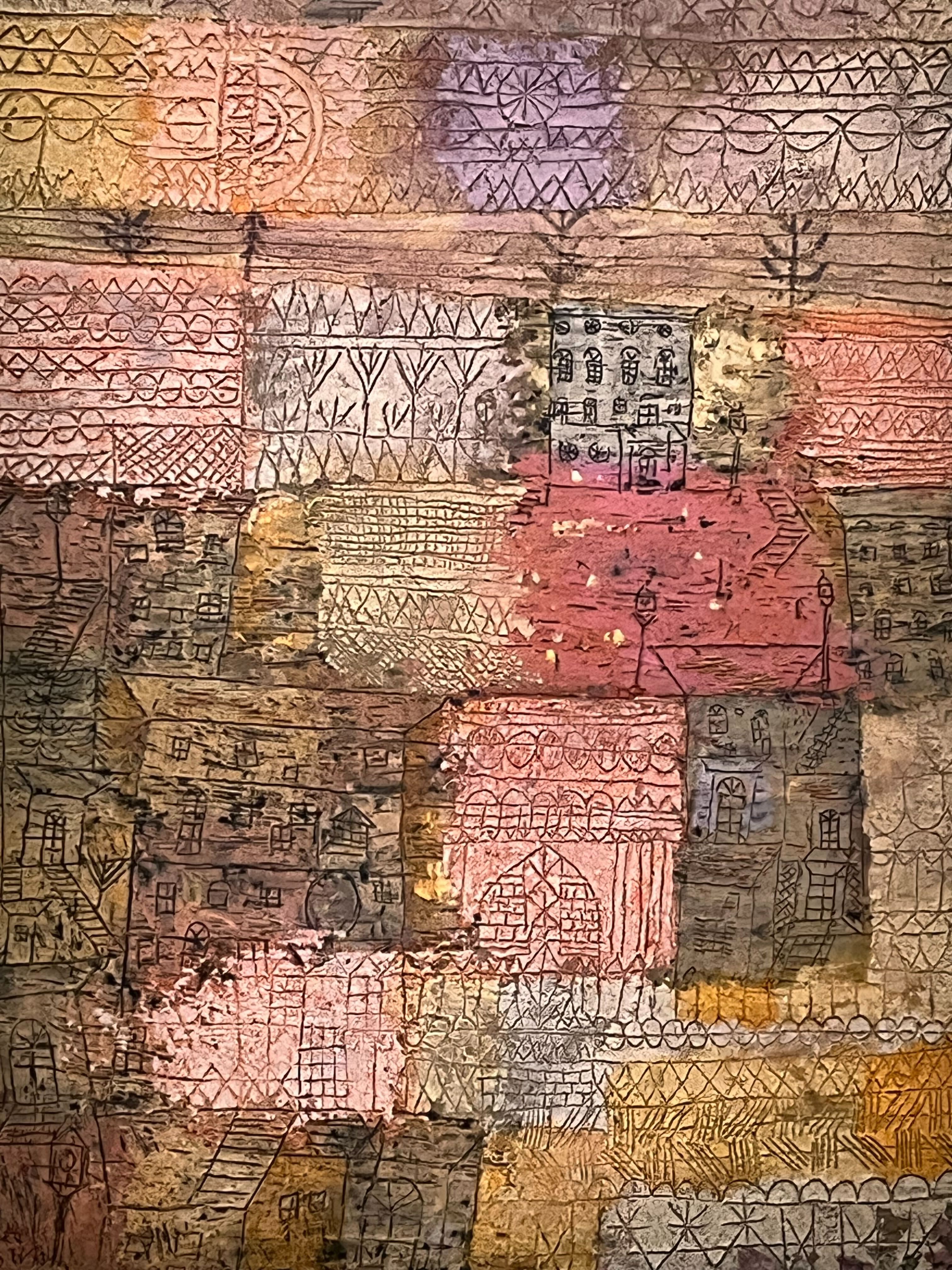
It made me pause and reconsider. What is it about colour that speaks so directly to me? Why does it sometimes feel more immediate, more visceral than the subject of a painting itself?
Colour has always more than just a tool for representation in art. In earlier periods, it was often used to mimic nature, create depth, or highlight specific figures. But as modern art developed, artists began to push beyond realism, exploring the emotional and psychological power of colour itself. They no longer felt bound to depict the world as it appeared; instead, they sought to evoke a feeling, a sensation, a rhythm.
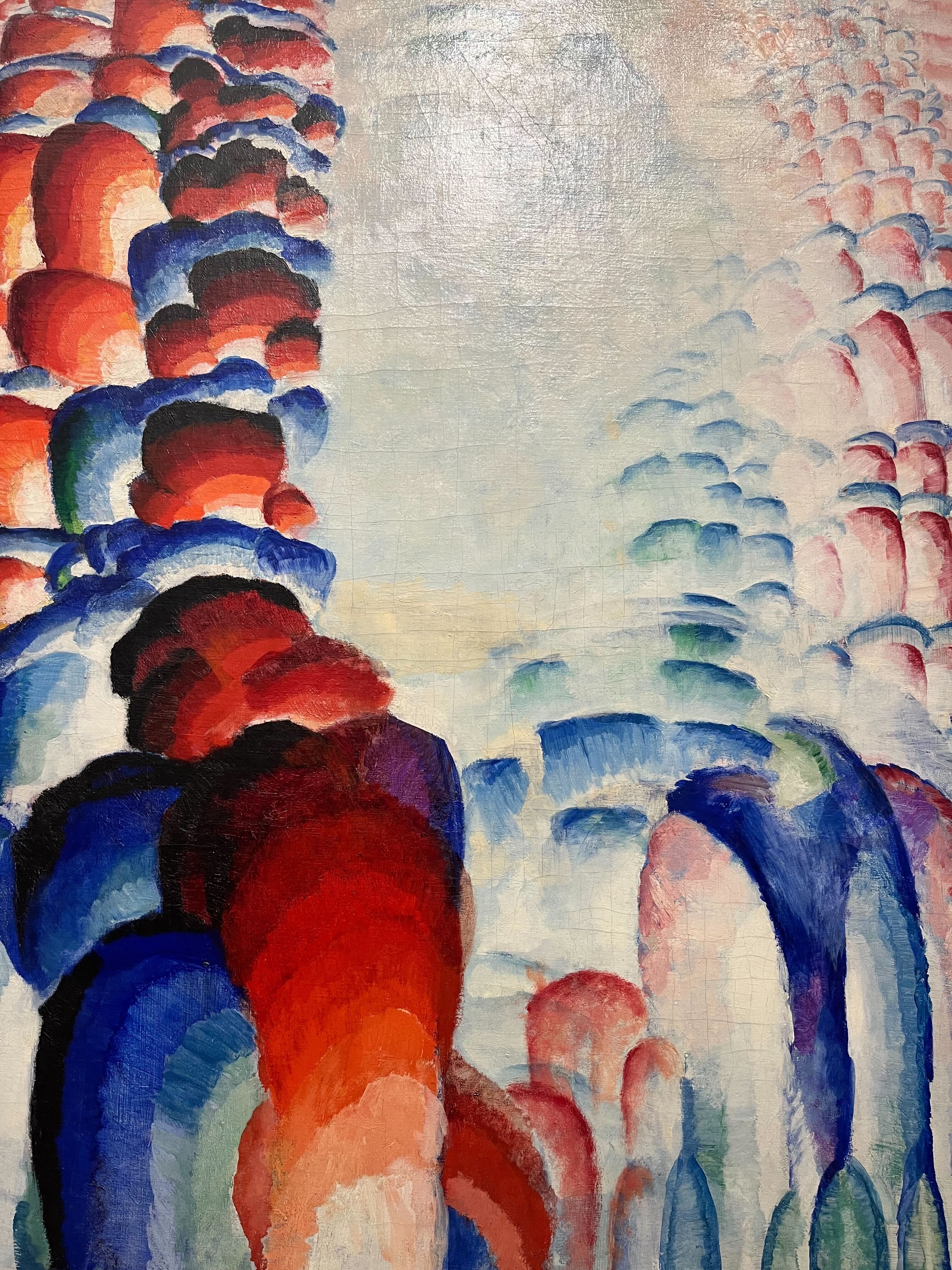
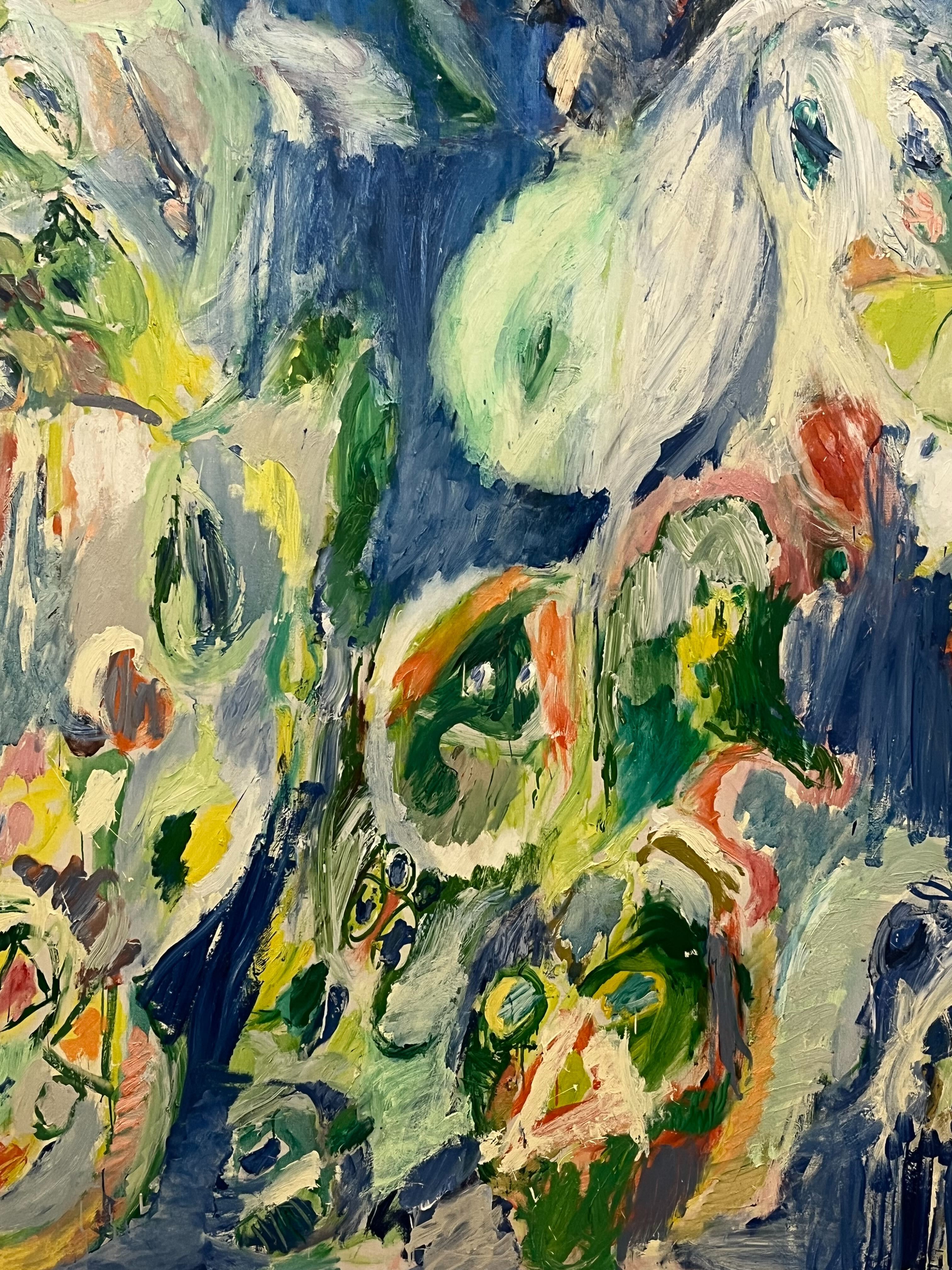
Standing before one painting, I noticed how warm reds and deep blues created a pulsating, almost hypnotic movement across the canvas. In another, blues, greens, and yellows seemed to dissolve into each other, like fleeting impressions captured in a dream. Neither work was trying to depict reality, yet both communicated something deeply intuitive. The colours alone carried meaning – energy, tension, calm, or exhilaration – without the need for recognisable forms.
It’s moments like these when I’m standing in front of paintings that remind me that art is not just about understanding context and technique; it is also about feeling. And colour, more than any other element, seems to transcend language and knowledge.
We already know that a single hue can evoke different emotions – red can be passion or danger, blue can be serenity or melancholy. But placed in a certain sequence, layered in a particular way, or given a dynamic contrast, colours can create entirely new sensations that go beyond words. A painting full of warm tones always feels inviting, while a chaotic mix of bright and dark shades leaves me unsettled. The impact is immediate, bypassing any reflection or analysis, and speaking directly to my senses.
This visit to Pompidou made me reflect on how I engage with art. In the past, I have often approached it with a lens of analysis – identifying influences, trying to recognise styles, placing works within historical contexts. While this knowledge has helped to deepen my appreciation of art, I now realise that my connection to art is much more instinctive than I had previously acknowledged.
Perhaps, in the end, the way we experience art is not about how much we know, but about what instinctively draws us in. And for me, that instinct is shaped by colour – by the way it interacts, clashes, harmonises, or transforms across a canvas.


Leave a Reply