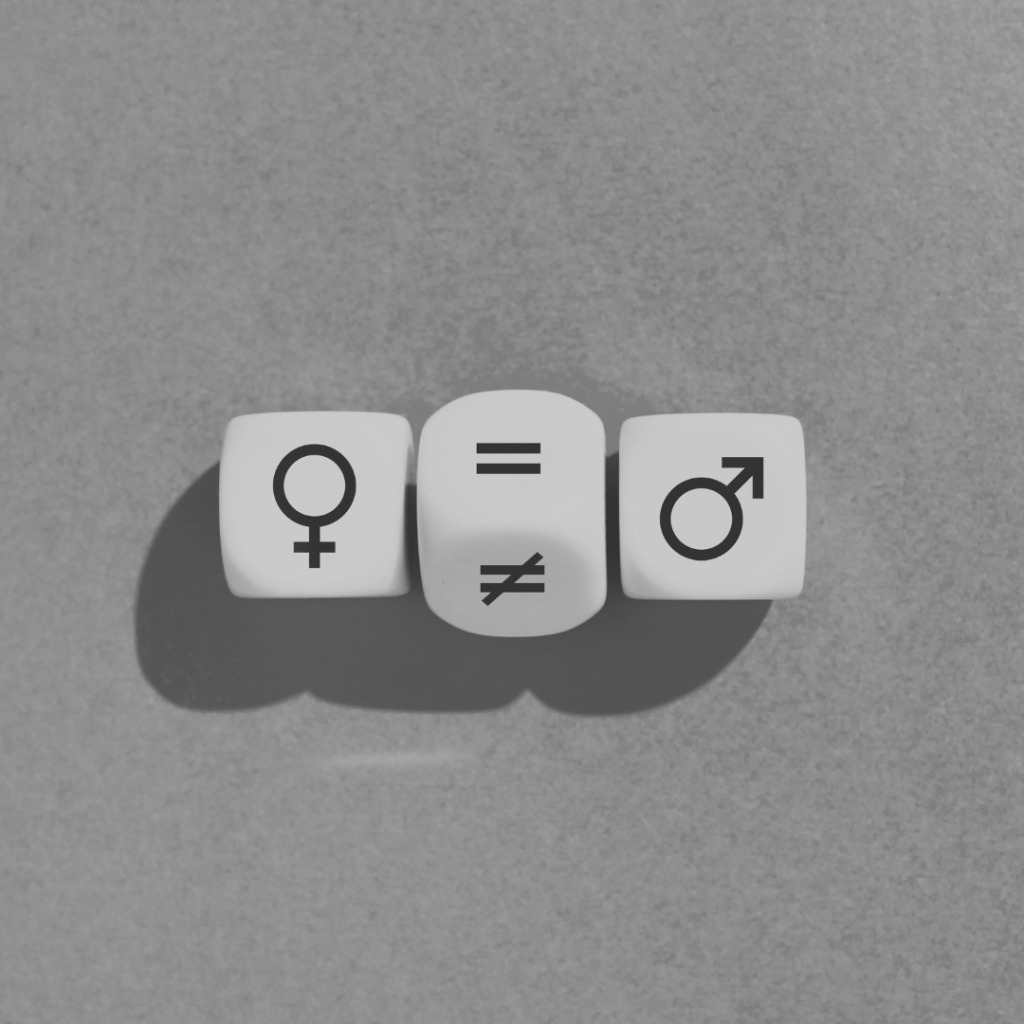
Participating in a startup launchpad should be an exciting and empowering experience, especially when you’re building something innovative. It’s a chance to connect with mentors, refine your pitch, and gain exposure. But sometimes, the very systems designed to support founders reveal uncomfortable truths about bias often in unexpected ways.
Recently, I joined a startup launchpad alongside my co-founder. The program had a designated women’s representative, presumably to encourage female founders and ensure inclusivity. Naturally, I expected a level of responsiveness and engagement, at least as much as my male co-founder received. Instead, I found myself systematically ignored. My emails went unanswered, and I was dropped from an important thread.
At first, I assumed this was just inefficiency or oversight – people get busy, things slip through the cracks. But then something happened that made me reconsider. We had to send our pitch video directly to her, which I did. And not on email. On iMessage – pretty direct and not easily ignorable, right?
No response. No acknowledgment. Just silence. I wasn’t even sure if the message had been seen.
Meanwhile, my male co-founder received a message confirming receipt. That’s when I couldn’t help but start thinking: Was this just inefficiency, or was I being ignored for a reason?
The doubt was unsettling. I wasn’t dealing with an overtly sexist investor or an all-male selection panel. I was being ignored by a woman in a role specifically meant to support female founders.
This led me to a difficult question: Was this internalised misogyny at play?
Internalised misogyny is when women unconsciously undermine, dismiss, or hold biases against other women, often reflecting the very stereotypes and systemic barriers they have encountered themselves. It can manifest in professional settings in many ways:
- Holding women to higher standards than men.
- Valuing male voices and opinions more than female ones.
- Dismissing women’s contributions without realising it.
Did she see me as less competent? Was my presence as a female founder less legitimate? Or was this truly an unfortunate case of personal inefficiency? I may never know, but the pattern was impossible to ignore.
The bitter irony of all this? This all happened on March 7th – just a day before the world would flood LinkedIn with posts celebrating International Women’s Day. A day where organisations proudly share their commitments to gender equity, post inspirational quotes, and highlight female success stories.
It was a stark reminder that true change isn’t about performative support or celebrating women once a year. It’s about ensuring that the biases we fight externally aren’t unconsciously reinforced internally.
So, what can we do to address this kind of bias, especially when it comes from within?
💡 Self-awareness – Women in leadership roles must examine their own biases and ask: “Am I uplifting other women, or am I reinforcing the same barriers I faced?”
💡 Equal Engagement – If you’re in a position of influence, ensure your responses and support are equally distributed (regardless of gender).
💡 Calling It Out – These experiences must be spoken about. If we only acknowledge external discrimination but ignore what happens within our own networks, we’re only fighting half the battle.
This experience, though frustrating, was also a learning moment. Bias isn’t always loud or obvious. It’s often subtle, showing up in who gets heard, who gets included, and who gets ignored. And sometimes, it’s not coming from where we expect.
If we truly want to build an inclusive society, we need to challenge bias everywhere – not just in boardrooms full of men, but also in spaces meant to uplift women. Because real change isn’t about who we celebrate on March 8th – it’s about who we listen to every other day of the year.


 PlainGeets
Leave a comment