
I feel sorry for old buildings.
Once someone’s pride with their walls painted fresh, gardens trimmed, gates gleaming, they now stand like ghosts, their owners having drifted away, their names locked in court files instead of doorplates. If you care to look, you will find them tucked between shiny new buildings across many cities from Bangalore to Bangkok, from Boston to Barcelona…
They sit there in complete silence, their windows blank, their doors sealed or hanging loose. Gardens have given way to a jungle of weeds, roots twist through cracked pathways, and electric meter boxes stand rusted, their doors swinging open in the wind. The entryway is often nothing more than uneven ground, collecting puddles when it rains.
This hits me often in Indiranagar, Bangalore, where old houses are slowly being replaced by retail outlets and restaurants. The few that hold strong seem to be dying a slow death squeezed on both sides by by steel and glass structures. La Maison de Repose, a building that first caught my attention because of its French name is one such example. A building that once stood proudly on 100 feet road, now presents a rather sorry face. The balconies that were once brimming with plants, now lie empty, and an air of neglect and desolation cling to the facade. The entrance, once paved is being swallowed back by Earth, one rainy season at a time.
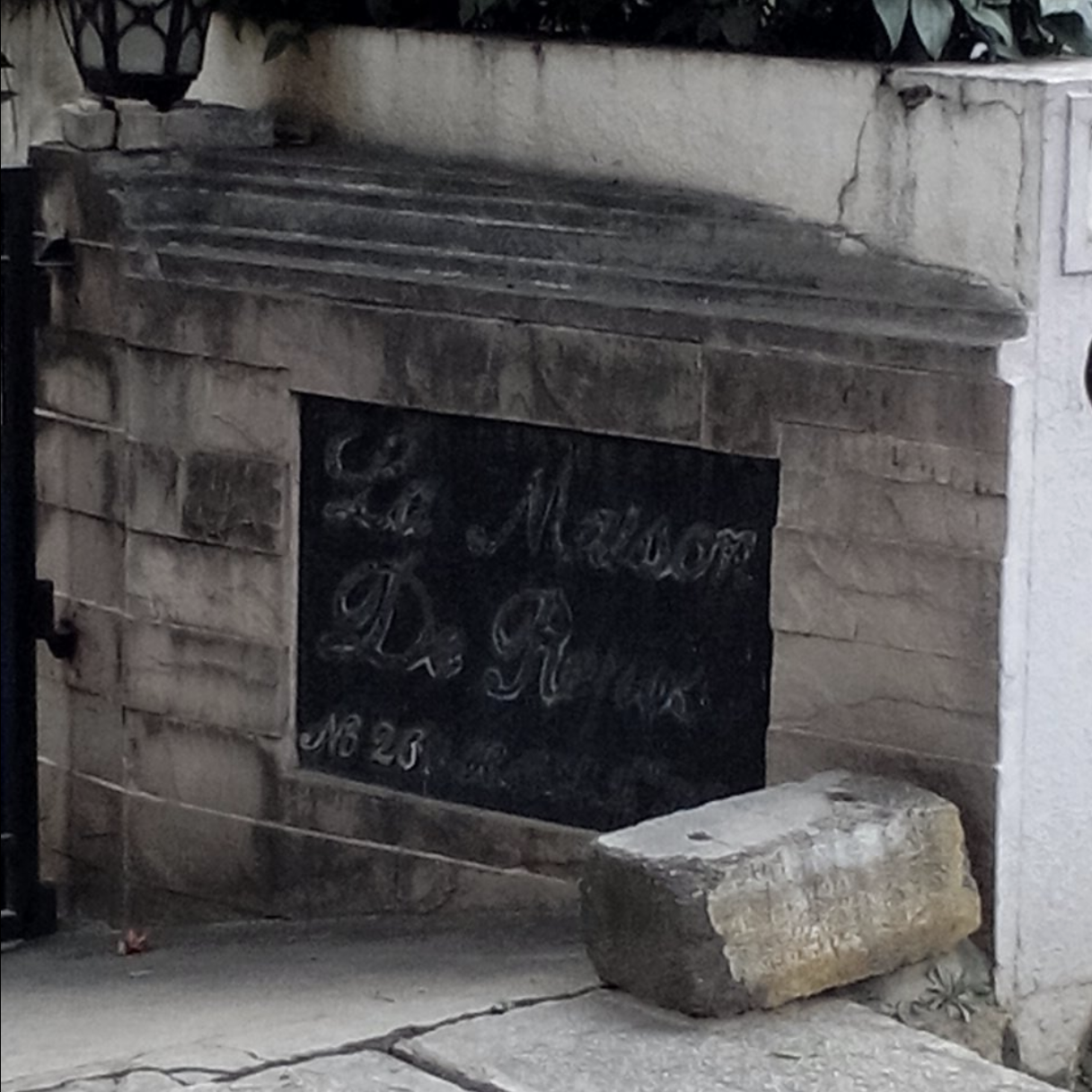
Every time I cross one of these buildings, I wonder why this happens. Is it because the owners can’t afford the upkeep, or that they are simply no longer there? Perhaps the families have moved abroad, inheritors live in other cities, or the property has become entangled in one of those interminable legal disputes? Whatever the reason, the result is slow-motion decay, not just through abandonment, but also due to a thousand small acts of inaction.
But another reality of our times is that this kind of dormancy isn’t simply the result of ordinary obsolescence. It is often a consequence of a deliberate strategy from large real estate developers and building corporations: by creating a situation that forces a building to sit empty, or gradually deteriorate, developers can reduce its perceived value and minimise resistance from current owners or tenants. Then, once the property is ripe for takeover, it becomes easier to acquire and demolish for lucrative redevelopment, especially in high-demand areas. Owners themselves are persuaded to “wait it out,” holding off on repairs because a developer has expressed interest in buying the land in the future. The longer the neglect, the more justifiable it feels to demolish rather than restore. The decay is no longer a matter of chance, but a well executed strategy – a slow squeeze that drains the life from a place until it’s no longer seen as worth saving.
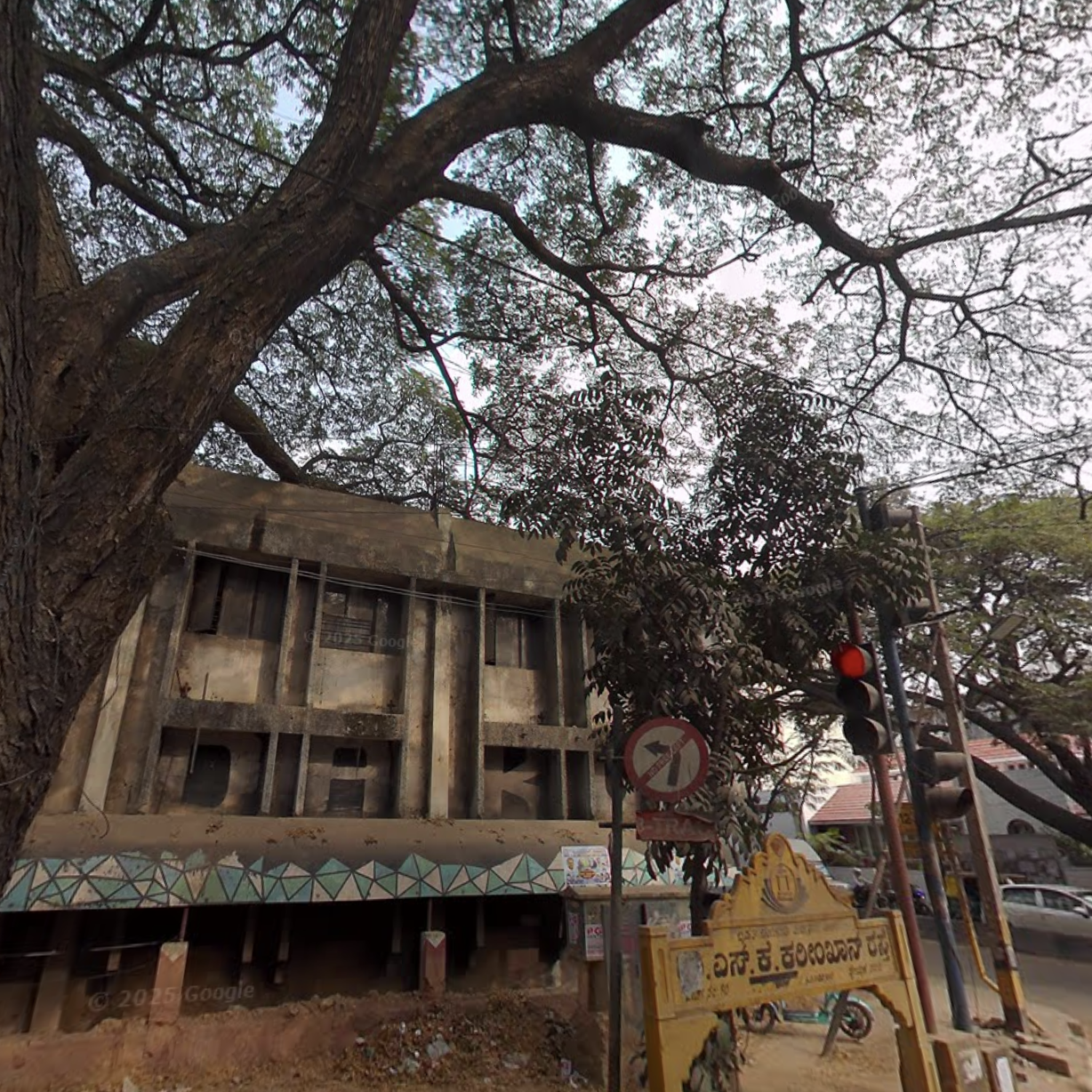
We tend to think of decline as something that happens far away, to entire economies, industries, or political systems. But decline is often local and quiet. It starts with a single home, then a cluster, until an entire street feels like it’s slipping out of the present.
These neglected buildings are not just architectural losses; they are social signals. They tell us that somewhere, our mechanisms for stewardship, whether legal, communal, or personal, have failed.
They neglected buildings mirror our collective tendency to celebrate what is new while quietly abandoning what no longer serves our immediate needs. Their decay is less about brick and mortar, and more about the erosion of our shared responsibility. They stand as lonely reminders that, despite the gloss of progress, parts of our society are quietly decaying. Their walls may crumble from neglect, but it is our collective indifference that truly erodes them. Until we choose to care – not just for the new and profitable, but also for the forgotten and unremarkable – these silent witnesses will continue their slow collapse, fading from relevance one rusted hinge, one cracked step at a time.
 PlainGeets
Leave a comment