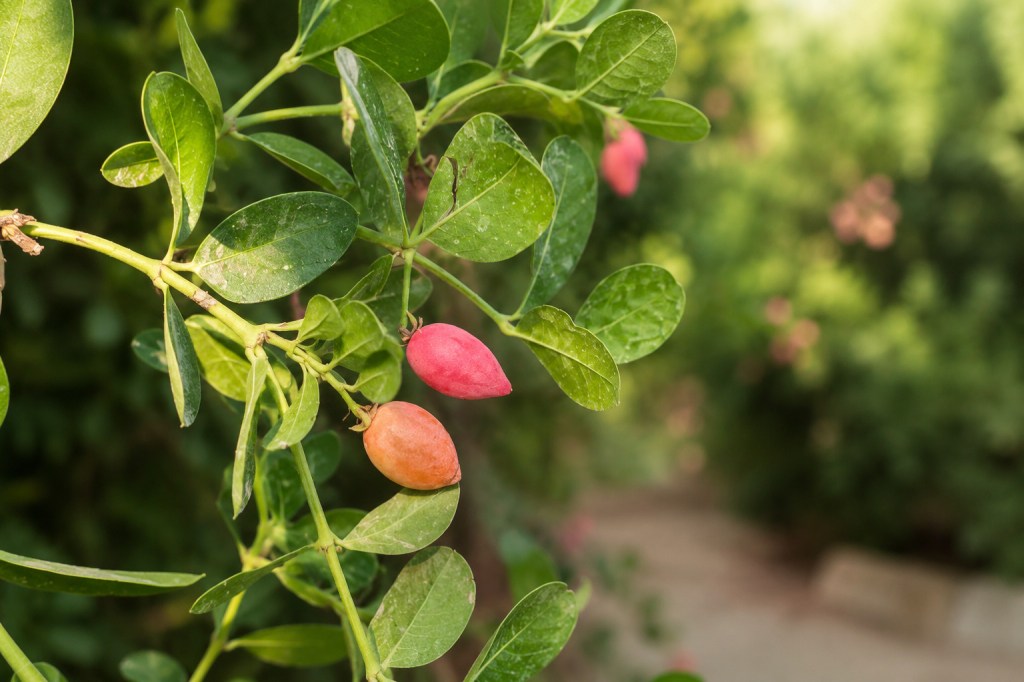
What do you do when a plant native to the land is stuck at the back of a nursery?
You buy it, bring it home, and then you sit with the discomfort of what it took to find it there in the first place.
A few weeks ago, we found a true treasure for Chhaon in the sun-drenched nurseries of Pushkar, amidst the sea of exotic, imported plants that feel misplaced in our landscape : the karonda (Carissa carandas.) Finding it felt like reclaiming a piece of this land’s natural heritage from a collection of imports that have no memory of our soil.
The karonda belonged here long before we thought to plant it. (Unlike the vilayati babool.) Both plants had histories I hadn’t known, and made me reach for research papers online (thank god they exist and are accessible for free) to learn more about their connection with Rajasthan. The karonda’s story didn’t fit into the Bhaskar Stories editorial, but I couldn’t let it go unwritten. So here it is.
A sprawling, evergreen, spiny sentinel native to the Indian subcontinent, it is believed to have originated near the Himalayas and has flourished for centuries across the arid and subtropical regions of India. At Chhaon, it stands as a testament to resilience – a hardy, drought-tolerant shrub that thrives in marginal and wastelands where more commercial crops fail. It tolerates temperatures above 45 degrees, and can even grow in sandy, degraded, alkaline soil. It requires no irrigation once established, no fertiliser, no coaxing. It is, in the most literal sense, made for the dry, arid landscape of Rajasthan.
And what makes it visually distinctive – though the nurseries seem not to have noticed – is far from pointless. The plant is dichotomously branched, its stems rich in white gummy latex and armed with sharp, forked spines that make it the ideal live fence, an impenetrable bio-hedge that once defined the boundary of farms across Rajasthan. Its leaves are glossy dark green. Its flowers – fragrant, star-shaped, white with a blush of pink – bloom from early spring through late autumn. It is beautiful in the way that useful things are beautiful: without effort, without performance.
But it’s the berries that really bring the argument into play, and had me excited on a personal level.
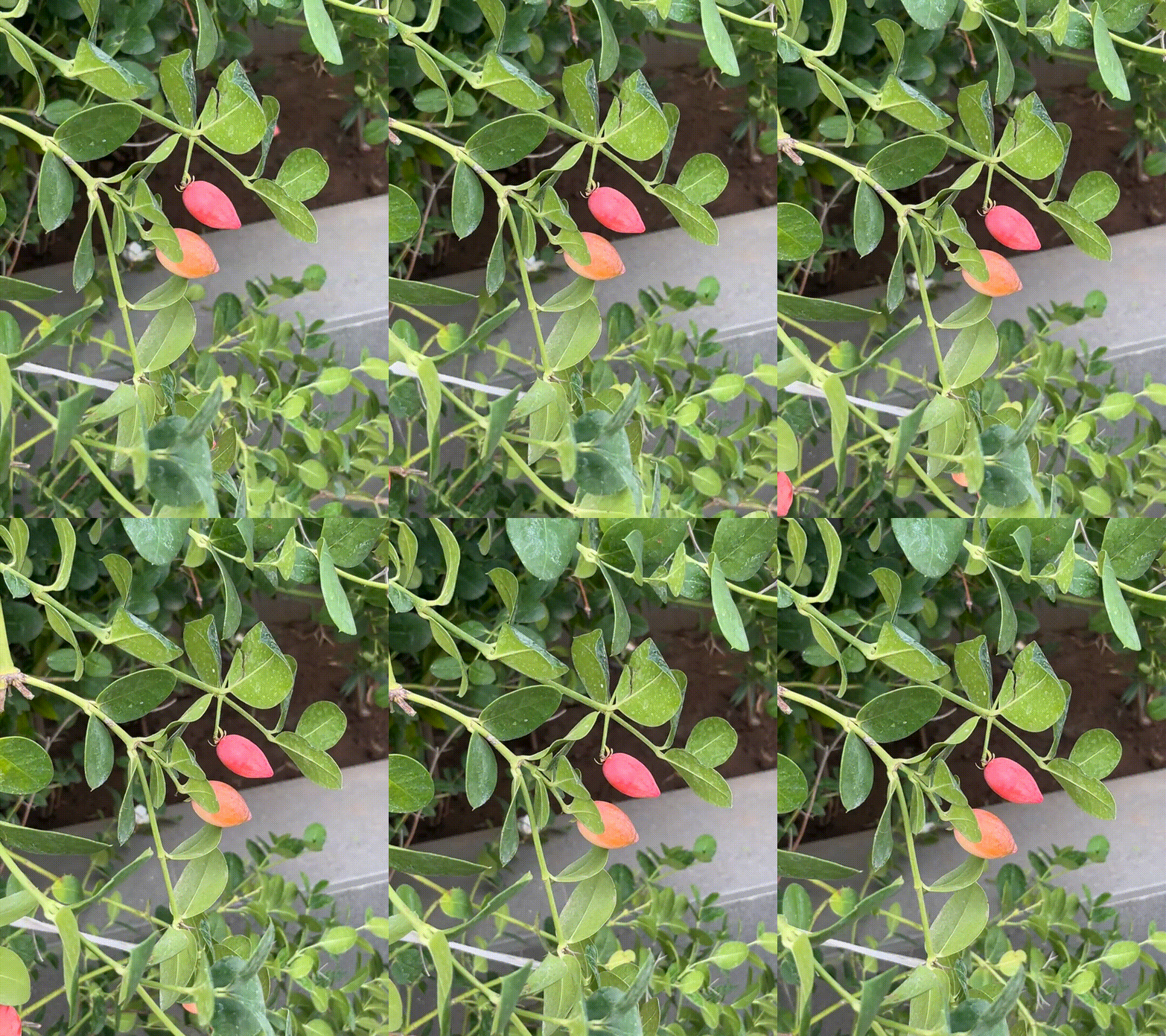
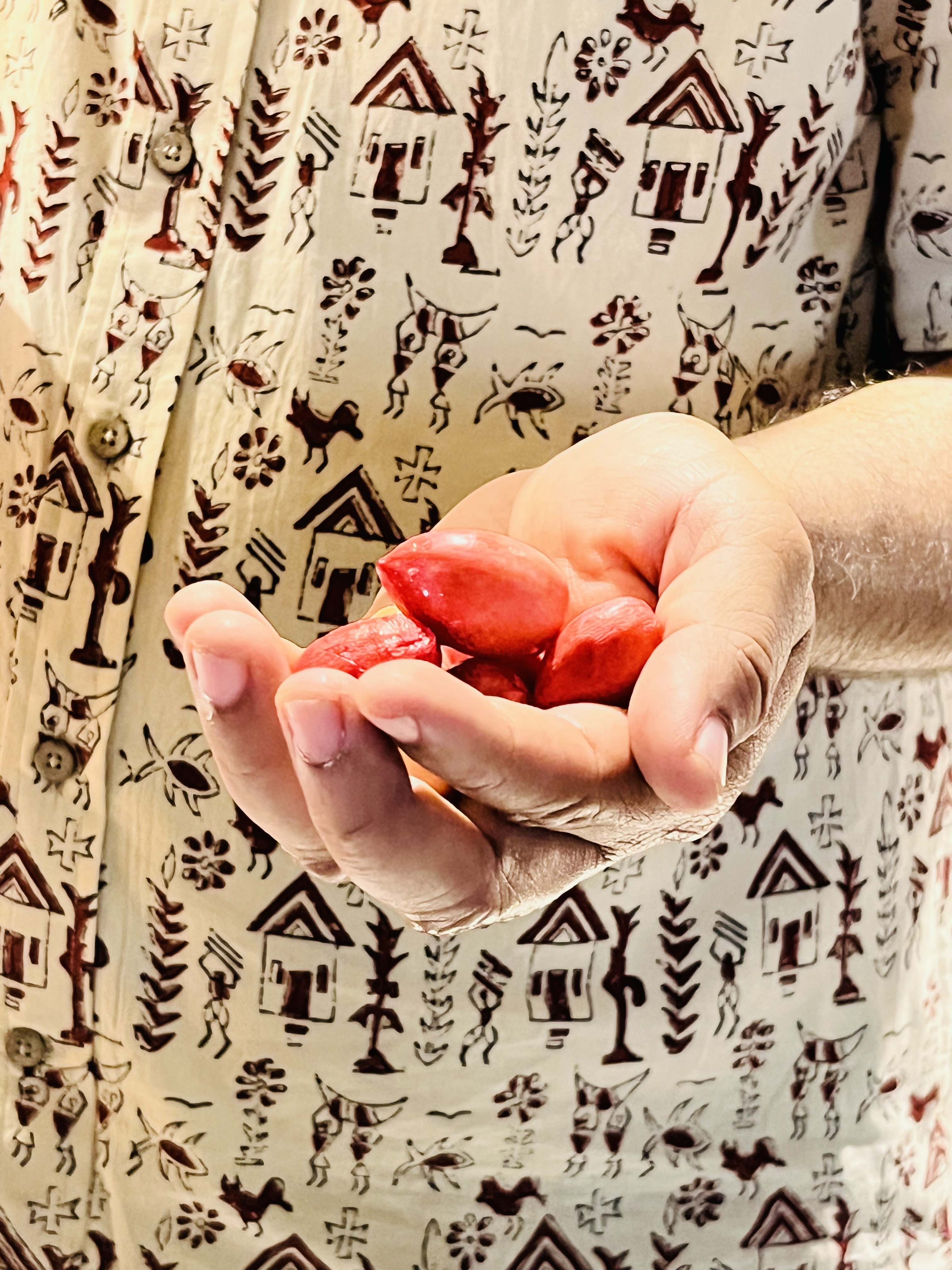
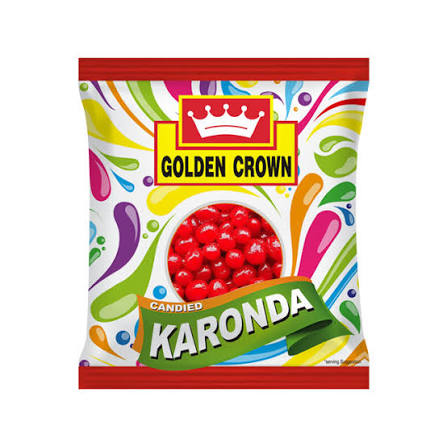
We ate some as soon as we had planted the tree, and they were exactly how I think this land would taste – tart, faintly astringent, subtly extraordinary. The fruits shift from a pale pink to vivid red to a deep, dark purple as they ripen, a colour transformation that is, in its own way, a declaration of the fruit’s powers. A powerhouse of nutrition, karondas are among the richest plant sources of iron in existence, high in Vitamin C, and have been a traditional remedy for anaemia and scurvy for centuries. The unripe fruit goes into pickles and chutneys (of which I have heard innumerable tales); the ripe fruit, with its high pectin content, makes exceptional jams, jellies, and a natural food colourant called lalima – red, from the land, requiring nothing imported. And I have used candied karondas for years in my fruit cakes, without ever thinking about the fruit and where it came from.
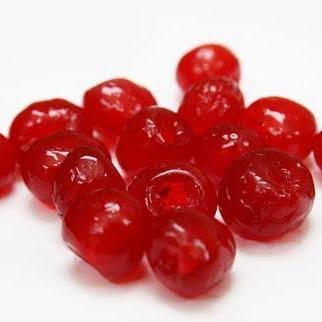
But the karonda has an existence beyond the kitchen as well. This amazing fruit runs deep into India’s medical and cultural memory. Ayurveda and Unani systems have drawn on every part of the plant for thousands of years – roots as stomachic and insect repellent, leaves to feed the tussar silkworm, fruit to treat everything from fever and stomach disorders to skin conditions. It is, in the language of contemporary plant science, a phyto-gem. In the older language of this land, it was simply what grew here.
And then it stopped growing here. Not through catastrophe, or blight or even a government decree. It retreated the way most indigenous things retreat under modernisation: incrementally, without announcement, as each generation found less reason to reach for it. Farming consolidated around commercially viable fruits like mango, pomegranate and guava. Living fences gave way to barbed wire. The nutrition transition pulled diets towards packaged and uniform solutions. The karonda’s tart berries, its thorny boundary presence, its unhurried, rainfed life cycle – none of it fit the logic of what agriculture was becoming. The knowledge of it stopped being passed on, and the plant withdrew to forest edges, wild hedgerows, and, apparently, the back row of a Pushkar nursery.
That back row is worth thinking about. The nursery is not a villain here – it’s simply a mirror. It stocks what people buy, and people buy what they recognise, and recognition is shaped by decades of agricultural policy, market incentives, and the quiet depreciation of anything that resists being sold at scale. A plant as self-sufficient, as low-maintenance, as ecologically generous as the karonda offers no easy commercial logic. It asks only to be chosen. And for a long time, we chose otherwise.
Once established at Chhaon, the karonda will need almost nothing from us. That is the nature of a rainfed crop that evolved for exactly this climate – it yields its bounty with minimum management. It will stabilise soil. It will feed birds. It will flower and fruit and, over years, become part of the Chhaon fabric, doing what it has always known how to do, quietly and without performance.
What do you do when a plant native to the land is stuck at the back of a nursery?
You make it the argument. You bring it to the front.


Leave a Reply